Best Healing Peptides
Best Healing Peptides
Understanding Healing Peptides
Peptides are short chains of amino acids — typically between 2 and 50 residues — that function as biological signaling molecules. Their compact size allows precise interaction with cell surface receptors, growth factor pathways, and transcription systems. Over the past two decades, researchers have identified a subset of peptides with measurable tissue repair activity, driving investigation into their potential roles in orthopedics, gastroenterology, dermatology, and neuroscience. This article surveys the most studied healing peptides in current research, with a focus on their mechanisms and documented effects in preclinical models. All information here is intended for research and educational purposes only and does not constitute medical advice.
BPC-157: The Most Studied Repair Peptide
BPC-157 is a synthetic 15-amino-acid peptide derived from a gastroprotective protein found in the stomach lining. Its name — Body Protection Compound — reflects the protective function of its parent molecule. Research into peptides bpc 157 spans more than two decades and covers a wide range of tissue systems, including tendons, muscles, the gastrointestinal tract, and the central nervous system. It is among the most cited peptides in experimental repair biology, with a particularly robust body of rodent data supporting its regenerative profile.
The primary mechanisms attributed to BPC-157 include promotion of angiogenesis, upregulation of growth hormone receptor expression, and modulation of the nitric oxide pathway. These effects collectively support vascular ingrowth and cellular proliferation at wound sites. Animal studies have documented accelerated healing in Achilles tendon transection, quadriceps muscle injury, gastric ulceration, and corneal damage models. BPC-157 has also been examined for neuroprotective properties following traumatic brain injury and spinal cord lesions in rodent subjects.
TB-500: Thymosin Beta-4 Analog
TB-500 is a synthetic fragment of Thymosin Beta-4, an endogenous peptide naturally concentrated at injury sites throughout the body. It functions primarily through actin regulation — by sequestering G-actin monomers, TB-500 modulates cell migration and differentiation during the repair process. Preclinical studies have documented its effects on cardiac tissue recovery following induced infarction, corneal wound closure, and integration of skin grafts in animal models. Its capacity to distribute systemically after subcutaneous administration makes it a subject of ongoing interest for multi-tissue repair research, particularly in scenarios where repair activity must reach multiple sites simultaneously.
GHK-Cu: Copper Peptide and Collagen Synthesis
GHK-Cu is a naturally occurring tripeptide composed of glycine, histidine, and lysine, with a strong affinity for copper ions. It is found in human plasma, urine, and saliva, where it participates in wound healing responses throughout life. Research shows that GHK-Cu stimulates the production of collagen, elastin, and glycosaminoglycans — structural proteins critical to skin integrity, joint function, and connective tissue resilience. It also activates antioxidant enzyme systems and downregulates pro-inflammatory gene expression at the transcription level. Topical formulations have been studied for wound closure rates and scar reduction, while injectable preparations are explored in bone density maintenance and peripheral nerve repair models.
Comparing Healing Peptides for Research Protocols
When designing a research protocol around healing peptides, key variables include mechanism of action, tissue specificity, route of administration, and molecular half-life. Researchers studying peptides bpc 157 alongside alternatives often note that different peptides address distinct phases of the repair cascade — BPC-157 on vascular and structural restoration, TB-500 on cell migration, and GHK-Cu on extracellular matrix rebuilding. Understanding these distinctions helps inform more targeted experimental designs and avoids conflating compounds with fundamentally different profiles.
- BPC-157: 15-amino-acid sequence; angiogenesis and nitric oxide modulation; tendon, gut, and neural repair models
- TB-500: Thymosin Beta-4 analog; actin-dependent cell migration; cardiac and soft tissue applications
- GHK-Cu: Copper tripeptide; collagen synthesis and anti-inflammatory gene modulation; dermal and skeletal research
- KPV: Alpha-MSH derived tripeptide; gut mucosal barrier repair and anti-inflammatory signaling pathways
- Epitalon: Tetrapeptide associated with telomerase activation; studied in aging biology and neuroendocrine regulation
Research Context and Scientific Outlook
The science of healing peptides is advancing rapidly, but most available evidence still derives from in vitro cell assays and animal studies. Human clinical trials remain sparse for many of these compounds, and regulatory approval for therapeutic use has not been established for most research peptides. Researchers consistently note that formulation quality — including purity standards, sterility controls, and lyophilization protocols — significantly affects experimental reproducibility and outcome reliability. Interest in peptides bpc 157 and related compounds continues to grow, with emerging work on nanoparticle encapsulation and hydrogel matrices aimed at improving tissue-specific delivery and controlled release. Future research directions will likely emphasize biomarker-guided dosing, combination peptide protocols, and deeper characterization of receptor-level signaling. All information in this article is intended strictly for scientific and educational reference; it does not represent medical advice and should not inform any decisions regarding human use.
Recommended products
- #1
 30 capsules.webp) Peptidesbpc157
Peptidesbpc157BPC-157 Capsules (500mcg)
Best Seller(50)Beyond its famous tissue-repairing capabilities, BPC-157 Capsules offer intriguing benefits for neurological health and cognitive resilience. Research suggests that this peptide exerts neuroprotective effects by modulating the GABAergic and dopaminergic systems, which can help in
- HPLC ≥99%
- 3rd-party tested
- Free shipping
$70.00Order - #2
 60 capsules.webp) Peptidesbpc157
Peptidesbpc157BPC-157 Capsules (500mcg)
Most Popular(87)Emerging research into BPC-157 Capsules has revealed their potential to support the integrity of the blood-brain barrier (BBB). The BBB is the body’s most important filter, protecting the brain from toxins and inflammation. BPC-157 has been shown to help "seal" a compromised barr
- HPLC ≥99%
- 3rd-party tested
- Free shipping
$130.00Order - #3
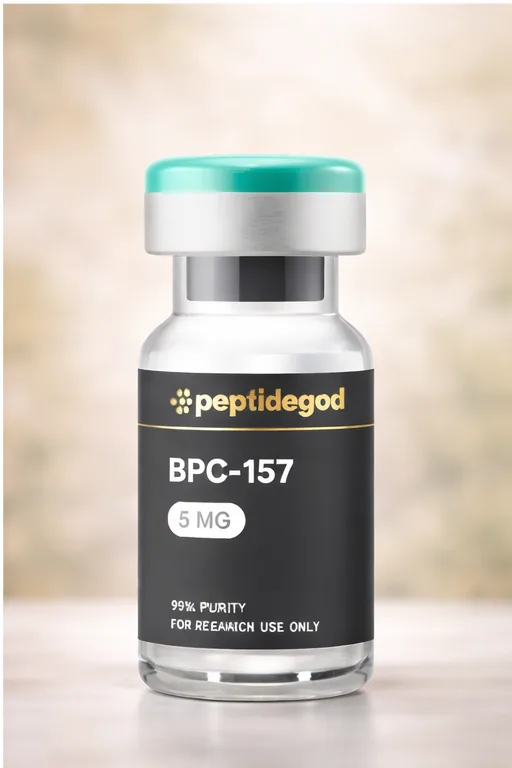 Peptidesbpc157
BPC 157 Peptide
Best Value(124)When you purchase BPC-157 Vials, you are trusting a company with your physical well-being, and we take that responsibility seriously. Every vial of our BPC-157 peptide is produced in a cGMP-compliant facility and undergoes rigorous HPLC (High-Performance Liquid Chromatography) te
- HPLC ≥99%
- 3rd-party tested
- Free shipping
$35.00Order - #4
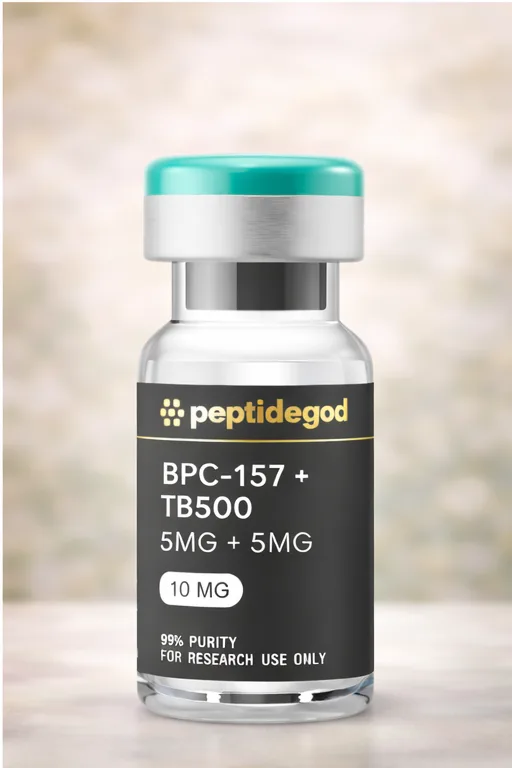 Peptidesbpc157
BPC-157 + TB500 5 MG + 5 MG (TOTAL 10 MG
Top Stack(161)Injury prevention is just as important as injury repair, and BPC-157 Vials are the ultimate insurance policy for your joints. Regular use of BPC-157 can help "bulletproof" your body by constantly reinforcing the connective tissues and soothing the minor inflammations that occur d
- HPLC ≥99%
- 3rd-party tested
- Free shipping
$60.00Order - #5
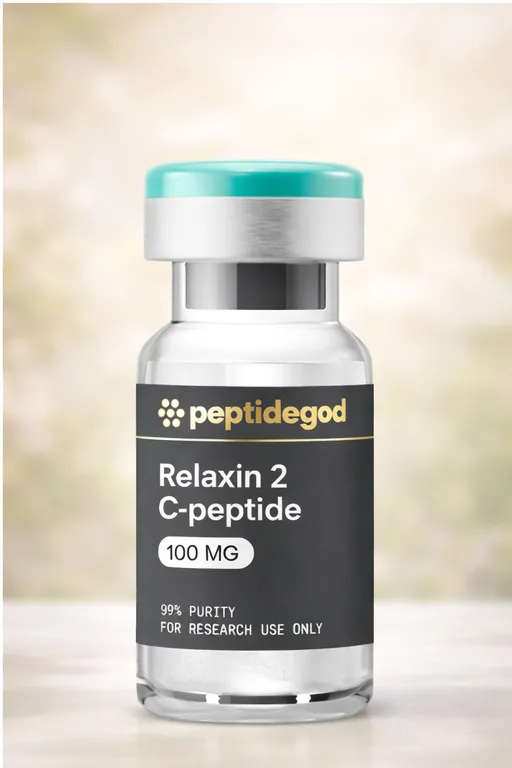 Peptidesbpc157
Relaxin 2 C-peptide (56-129) (Human)
Editor’s Pick(198)Our Human Relaxin 2 C-peptide (56-129) is produced using a specialized lyophilization cycle that preserves the secondary and tertiary structures of the peptide chain. This process is essential for maintaining the biological activity of the 74-amino acid sequence. The result is a
- HPLC ≥99%
- 3rd-party tested
- Free shipping
$428.00Order - #6Peptidesbpc157
Relaxin 2 (Human)
New(235)Relaxin 2 (Human) is a fascinating molecule for researchers focused on endocrine control and fluid homeostasis. This peptide fragment is used to investigate how the body regulates blood volume, osmolality, and thirst mechanisms through the brain and kidneys. Our injectable-grade
- HPLC ≥99%
- 3rd-party tested
- Free shipping
$475.00Order - #7
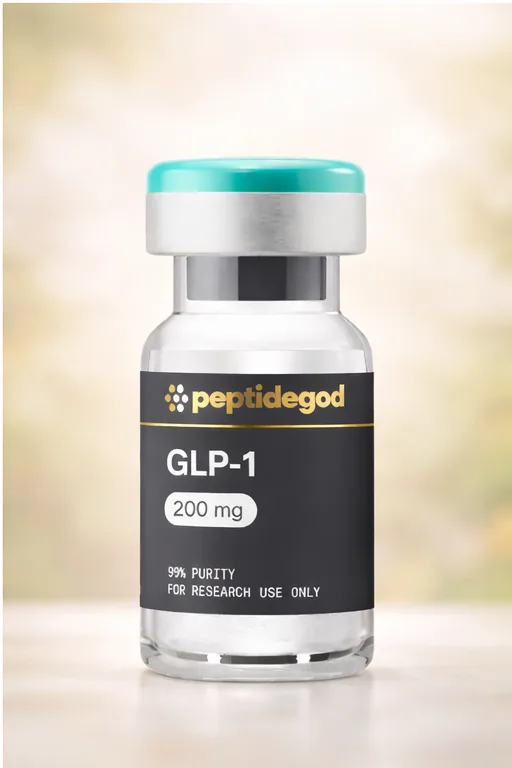 Peptidesbpc157
GLP-1 (Human, Rat, Mouse, Porcine, Bovine, Canine, Ovine)
Trending(52)GLP-1 is the primary ligand for the GLP-1 receptor (GLP-1R), a classic G-protein coupled receptor (GPCR). Our GLP-1 vials are essential for high-resolution mapping of receptor binding affinity and intracellular signaling cascades. This peptide triggers cAMP production, calcium si
- HPLC ≥99%
- 3rd-party tested
- Free shipping
$104.00Order
See top-rated vendors
Compare prices, purity and shipping at a glance.
Reviewed by the Peptidesbpc157 Research Team · Last updated February 2026
References & Scientific Sources
- Sikiric P, et al. BPC 157 and standard angiogenic growth factors. Curr Pharm Des. 2018.
- Seiwerth S, et al. BPC 157 and blood-vessel recruitment in healing. Curr Pharm Des. 2018.
- Sikiric P, et al. Stable gastric pentadecapeptide BPC 157 and the gut-brain axis. 2020.
Sources are provided for educational reference. This content is informational and not a substitute for professional medical advice.