BPC-157 in Peptide Therapy
BPC-157 in Peptide Therapy
What Is BPC-157?
BPC-157 is a synthetic pentadecapeptide consisting of 15 amino acids, derived from a naturally occurring protein found in human gastric juice. Its full designation is Body Protection Compound 157, and it has attracted significant attention in preclinical research for its broad tissue-protective and regenerative properties. Unlike many compounds studied in isolation for a single mechanism, BPC-157 appears to act through multiple overlapping pathways, which may explain why researchers observe its effects across such a wide range of tissue types. Studies conducted in rodent models have documented responses in tendons, muscles, bone, the gastrointestinal tract, the nervous system, and vascular tissue. For investigators exploring peptides bpc 157 in the context of regenerative biology, BPC-157 represents one of the most extensively studied sequences in the current literature.
Proposed Mechanisms of Action
Research points to several distinct biological pathways through which BPC-157 may exert its effects. One consistently reported mechanism involves the upregulation of growth hormone receptor expression, particularly in tendon fibroblasts, which may amplify local anabolic signaling even in the absence of elevated systemic growth hormone. A second pathway involves nitric oxide synthesis modulation, which influences vascular tone and blood flow to injured tissue. Enhanced angiogenesis, the formation of new blood vessels, has been documented in wound-healing models, suggesting that BPC-157 may accelerate the delivery of oxygen and nutrients to repair sites.
Additionally, preclinical data indicate that BPC-157 interacts with the dopaminergic and serotonergic systems in the central nervous system, which has led researchers to investigate its potential relevance to neurological injury models. Cytoprotective effects on the gut lining have been observed as well, with some studies noting accelerated healing of stomach and intestinal lesions. The peptide also appears to modulate inflammatory cytokine activity, reducing excessive inflammatory signaling without fully suppressing immune function, which distinguishes it from non-steroidal anti-inflammatory compounds in preclinical comparisons.
Tissue Repair and Musculoskeletal Research
A substantial portion of BPC-157 research has focused on musculoskeletal applications. Tendon and ligament injuries are notoriously slow to heal due to limited vascularization, and rodent studies have consistently shown accelerated tendon-to-bone healing following BPC-157 administration. In muscle tear models, treated animals demonstrated faster functional recovery and greater structural integrity at the injury site compared to controls. Bone healing studies have similarly shown improved outcomes, with enhanced callus formation and mineralization in fracture models.
These findings have made peptides bpc 157 a frequent subject of discussion in sports science and orthopedic research communities, though it is important to note that all current evidence comes from animal studies or in vitro experiments. No large-scale, peer-reviewed human clinical trials have been completed and published as of the current date, meaning the translation of these findings to human physiology remains an active area of scientific inquiry rather than established clinical practice.
Gastrointestinal and Systemic Protective Effects
BPC-157 was originally characterized in the context of gastrointestinal research, and this remains one of its most thoroughly documented areas. Studies have shown that it can accelerate the healing of gastric ulcers, protect the intestinal epithelium from damage caused by non-steroidal anti-inflammatory drugs, and reduce inflammation associated with inflammatory bowel conditions in rodent models. The peptide appears to stabilize the mucosal lining by promoting cell migration and proliferation at sites of damage.
Beyond the gut, systemic cytoprotective effects have been noted in liver, heart, and kidney tissue under various stress conditions. Some researchers have proposed that this broad protective profile stems from BPC-157's influence on the nitric oxide pathway, which has systemic vascular relevance. These findings position the compound as a candidate for research into conditions where tissue integrity across multiple organ systems is compromised.
Administration Routes and Research Protocols
In preclinical studies, BPC-157 has been administered through several routes, each producing observable effects. The most common routes include subcutaneous injection, intramuscular injection, intraperitoneal injection, and oral gavage. The fact that effects are documented following oral administration is notable, as many peptides are degraded in the digestive tract before reaching systemic circulation. Researchers studying peptides bpc 157 via the oral route have speculated that its gastric origin may confer unusual stability in acidic environments.
Dosing in animal studies has generally ranged from 1 to 10 micrograms per kilogram of body weight, administered once or twice daily over periods spanning days to several weeks depending on the model. These parameters provide a reference framework for research design but cannot be directly extrapolated to human dosing without clinical trial data to validate safety and efficacy at equivalent exposures.
Current Status and Research Considerations
BPC-157 is not approved by any major regulatory agency for therapeutic use in humans. It is available as a research chemical for laboratory and investigational purposes, and all information regarding its effects derives from preclinical data. Researchers working with this compound should consult current literature, institutional review guidelines, and applicable regulations before designing any study protocol.
- All documented effects originate from animal or in vitro studies
- No approved human clinical trials have been completed for BPC-157
- Multiple administration routes have been studied, including oral and injectable forms
- Mechanisms involve nitric oxide modulation, angiogenesis, and growth factor receptor upregulation
- The compound is classified as a research chemical, not a licensed therapeutic
As interest in regenerative peptide research grows, BPC-157 remains one of the most frequently referenced compounds in the field. Its multi-system activity profile and stability characteristics make it a compelling subject for continued investigation, with the expectation that future controlled human studies will provide the evidence base needed to draw more definitive conclusions about its clinical potential.
Recommended products
- #1
 30 capsules.webp) Peptidesbpc157
Peptidesbpc157BPC-157 Capsules (500mcg)
Best Seller(50)Beyond its famous tissue-repairing capabilities, BPC-157 Capsules offer intriguing benefits for neurological health and cognitive resilience. Research suggests that this peptide exerts neuroprotective effects by modulating the GABAergic and dopaminergic systems, which can help in
- HPLC ≥99%
- 3rd-party tested
- Free shipping
$70.00Order - #2
 60 capsules.webp) Peptidesbpc157
Peptidesbpc157BPC-157 Capsules (500mcg)
Most Popular(87)Emerging research into BPC-157 Capsules has revealed their potential to support the integrity of the blood-brain barrier (BBB). The BBB is the body’s most important filter, protecting the brain from toxins and inflammation. BPC-157 has been shown to help "seal" a compromised barr
- HPLC ≥99%
- 3rd-party tested
- Free shipping
$130.00Order - #3
 Peptidesbpc157
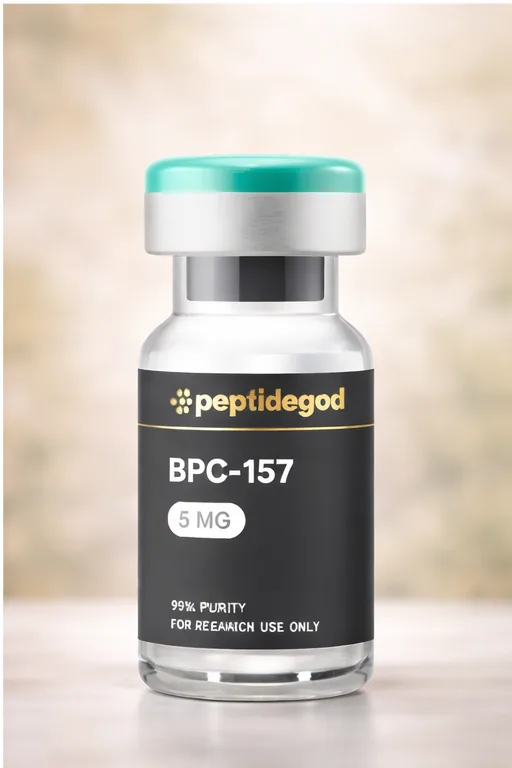
BPC 157 Peptide
Best Value(124)When you purchase BPC-157 Vials, you are trusting a company with your physical well-being, and we take that responsibility seriously. Every vial of our BPC-157 peptide is produced in a cGMP-compliant facility and undergoes rigorous HPLC (High-Performance Liquid Chromatography) te
- HPLC ≥99%
- 3rd-party tested
- Free shipping
$35.00Order - #4
 Peptidesbpc157
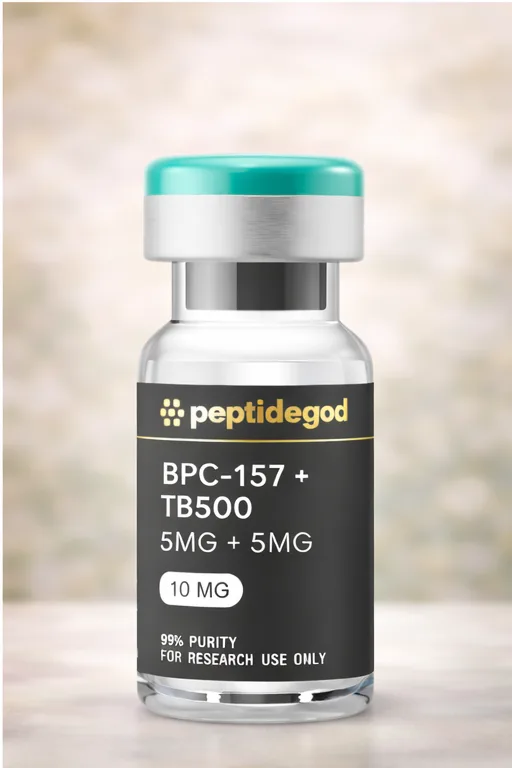
BPC-157 + TB500 5 MG + 5 MG (TOTAL 10 MG
Top Stack(161)Injury prevention is just as important as injury repair, and BPC-157 Vials are the ultimate insurance policy for your joints. Regular use of BPC-157 can help "bulletproof" your body by constantly reinforcing the connective tissues and soothing the minor inflammations that occur d
- HPLC ≥99%
- 3rd-party tested
- Free shipping
$60.00Order - #5
 Peptidesbpc157
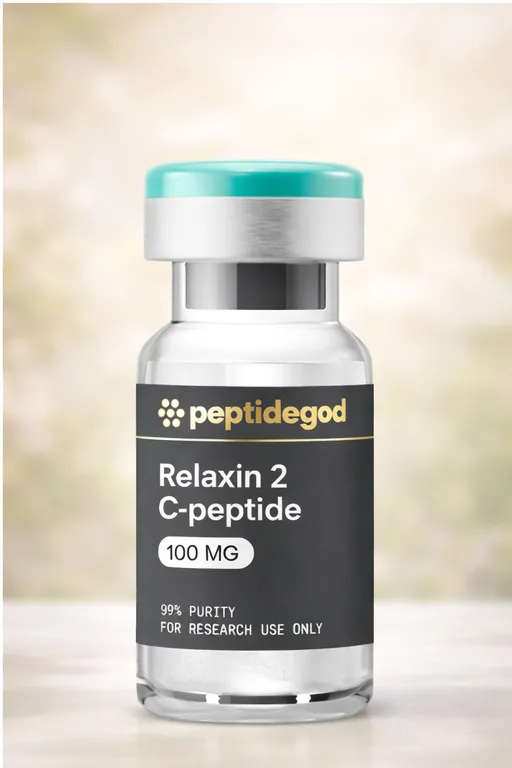
Relaxin 2 C-peptide (56-129) (Human)
Editor’s Pick(198)Our Human Relaxin 2 C-peptide (56-129) is produced using a specialized lyophilization cycle that preserves the secondary and tertiary structures of the peptide chain. This process is essential for maintaining the biological activity of the 74-amino acid sequence. The result is a
- HPLC ≥99%
- 3rd-party tested
- Free shipping
$428.00Order - #6Peptidesbpc157
Relaxin 2 (Human)
New(235)Relaxin 2 (Human) is a fascinating molecule for researchers focused on endocrine control and fluid homeostasis. This peptide fragment is used to investigate how the body regulates blood volume, osmolality, and thirst mechanisms through the brain and kidneys. Our injectable-grade
- HPLC ≥99%
- 3rd-party tested
- Free shipping
$475.00Order - #7
 Peptidesbpc157
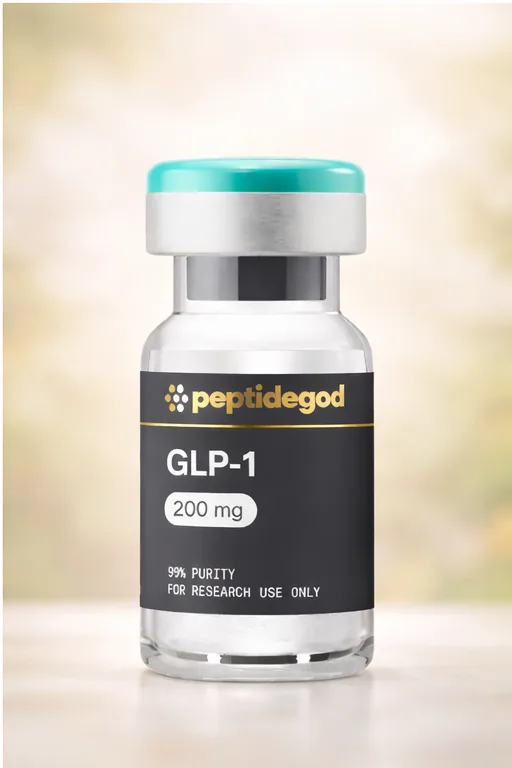
GLP-1 (Human, Rat, Mouse, Porcine, Bovine, Canine, Ovine)
Trending(52)GLP-1 is the primary ligand for the GLP-1 receptor (GLP-1R), a classic G-protein coupled receptor (GPCR). Our GLP-1 vials are essential for high-resolution mapping of receptor binding affinity and intracellular signaling cascades. This peptide triggers cAMP production, calcium si
- HPLC ≥99%
- 3rd-party tested
- Free shipping
$104.00Order
See top-rated vendors
Compare prices, purity and shipping at a glance.
Reviewed by the Peptidesbpc157 Research Team · Last updated February 2026
References & Scientific Sources
- Sikiric P, et al. BPC 157 and standard angiogenic growth factors. Curr Pharm Des. 2018.
- Seiwerth S, et al. BPC 157 and blood-vessel recruitment in healing. Curr Pharm Des. 2018.
- Sikiric P, et al. Stable gastric pentadecapeptide BPC 157 and the gut-brain axis. 2020.
Sources are provided for educational reference. This content is informational and not a substitute for professional medical advice.