BPC-157 + TB-500 Stack
BPC-157 + TB-500 Stack
Overview of the Combination
Among researchers studying peptide-based tissue repair, the combination of BPC-157 and TB-500 has attracted significant attention. Each compound works through distinct but complementary mechanisms, and when used together in preclinical models, the synergistic effects on recovery and tissue remodeling appear to exceed what either peptide achieves in isolation. BPC-157 is a synthetic 15-amino-acid peptide derived from a protective gastric protein, while TB-500 is a synthetic analog of Thymosin Beta-4, a naturally occurring protein involved in cellular migration and blood vessel formation. Understanding how these two interact at the molecular level is central to evaluating their combined research value.
Mechanisms of Action
BPC-157
Peptides bpc 157 research has consistently identified upregulation of growth hormone receptors in tendon fibroblasts as a primary mechanism. BPC-157 also promotes angiogenesis through the nitric oxide pathway, accelerates collagen synthesis, and demonstrates neuroprotective activity in spinal cord and peripheral nerve injury models. Its systemic effects are notable even at low doses, and it appears to influence the VEGF signaling pathway, contributing to new blood vessel formation at injury sites. Research in rodent models has shown BPC-157 to be effective whether administered locally at the injury site or systemically via subcutaneous or intraperitoneal injection.
TB-500
TB-500 operates primarily by binding to actin, regulating cell migration and differentiation. Thymosin Beta-4 promotes the upregulation of genes encoding proteins essential to wound healing, including laminin-5 and matrix metalloproteinases. In animal studies, it has demonstrated the ability to promote cardiac tissue repair following induced myocardial infarction, accelerate hair follicle growth, and reduce inflammation through downregulation of inflammatory cytokines. Its effects on endothelial progenitor cell activation make it particularly relevant in vascular injury research contexts.
Rationale for Stacking
The mechanistic rationale for combining these two peptides is grounded in their non-overlapping but complementary pathways. BPC-157 primarily targets the stabilization of growth factor signaling and nitric oxide-mediated vascular response, while TB-500 promotes large-scale cellular migration and extracellular matrix remodeling. Together, they address different phases of the repair cascade: BPC-157 provides rapid vascular support and growth factor receptor sensitization, while TB-500 sustains the longer-term structural rebuilding of damaged tissue. Research interest in peptides bpc 157 combined with TB-500 has grown substantially because of these non-redundant mechanisms, suggesting the two compounds could provide broader coverage of the healing process than either alone.
Research Observations and Dosing Protocols
In preclinical settings, researchers have explored various administration schedules for the stack. Common approaches seen in the scientific literature and research community include:
- BPC-157 administered daily or every other day at 200-500 mcg in rodent models, often via subcutaneous injection near the injury site
- TB-500 administered less frequently, typically 2-4 times per week at 2-5 mg in animal studies, reflecting its longer half-life relative to BPC-157
- Combination cycles lasting 4-8 weeks, with some protocols frontloading TB-500 in the initial phase to prime cellular migration before continuing with maintenance doses alongside BPC-157
- Systemic administration used when the injury is diffuse or not easily accessible to local injection
These parameters are derived from animal research and should be understood strictly within that context. No standardized human dosing exists, and extrapolation from rodent studies carries significant limitations given differences in pharmacokinetics and body surface area scaling.
Tissue Targets in Current Research
The BPC-157 and TB-500 stack has been studied most extensively in the context of musculoskeletal injuries, particularly tendon and ligament damage. Tendon tissue is notoriously avascular and slow to heal, making it an ideal target for peptides that promote angiogenesis and cellular recruitment simultaneously. Research has also explored applications in muscle tear models, cartilage damage, and nerve regeneration. Cardiac and gut tissue repair models represent emerging areas of interest, given BPC-157's known gastroprotective effects and TB-500's demonstrated cardiac regenerative activity in separate lines of research. The convergence of both peptides on VEGF-related signaling pathways suggests potential for synergistic benefit in ischemic tissue contexts as well.
Considerations for Research Use
Researchers working with peptides bpc 157 and TB-500 should source compounds from verified suppliers capable of providing third-party purity certificates, as peptide degradation and contamination are significant variables that can compromise experimental results. Both peptides require cold-chain storage and careful reconstitution procedures to maintain structural integrity. The combination has not been evaluated in human clinical trials as of current available data, and all findings remain within the domain of preclinical and in vitro research. This article is intended for informational and research purposes only and does not constitute medical advice or a protocol recommendation for human use.
Recommended products
- #1
 30 capsules.webp) Peptidesbpc157
Peptidesbpc157BPC-157 Capsules (500mcg)
Best Seller(50)Beyond its famous tissue-repairing capabilities, BPC-157 Capsules offer intriguing benefits for neurological health and cognitive resilience. Research suggests that this peptide exerts neuroprotective effects by modulating the GABAergic and dopaminergic systems, which can help in
- HPLC ≥99%
- 3rd-party tested
- Free shipping
$70.00Order - #2
 60 capsules.webp) Peptidesbpc157
Peptidesbpc157BPC-157 Capsules (500mcg)
Most Popular(87)Emerging research into BPC-157 Capsules has revealed their potential to support the integrity of the blood-brain barrier (BBB). The BBB is the body’s most important filter, protecting the brain from toxins and inflammation. BPC-157 has been shown to help "seal" a compromised barr
- HPLC ≥99%
- 3rd-party tested
- Free shipping
$130.00Order - #3
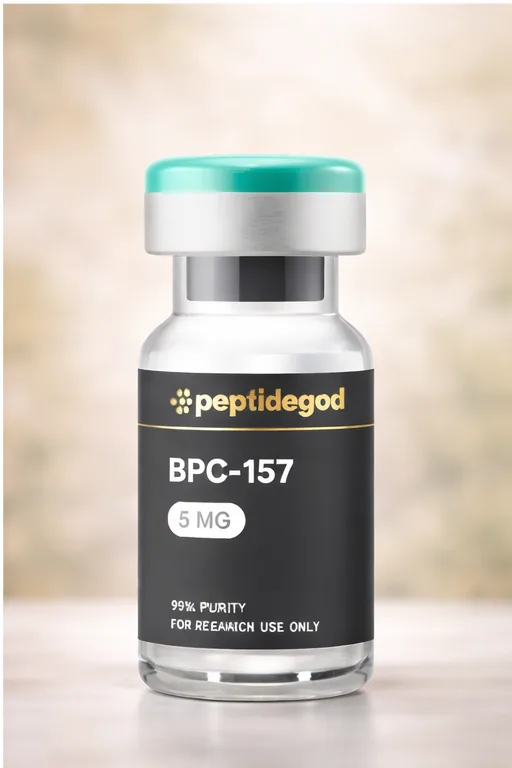 Peptidesbpc157
BPC 157 Peptide
Best Value(124)When you purchase BPC-157 Vials, you are trusting a company with your physical well-being, and we take that responsibility seriously. Every vial of our BPC-157 peptide is produced in a cGMP-compliant facility and undergoes rigorous HPLC (High-Performance Liquid Chromatography) te
- HPLC ≥99%
- 3rd-party tested
- Free shipping
$35.00Order - #4
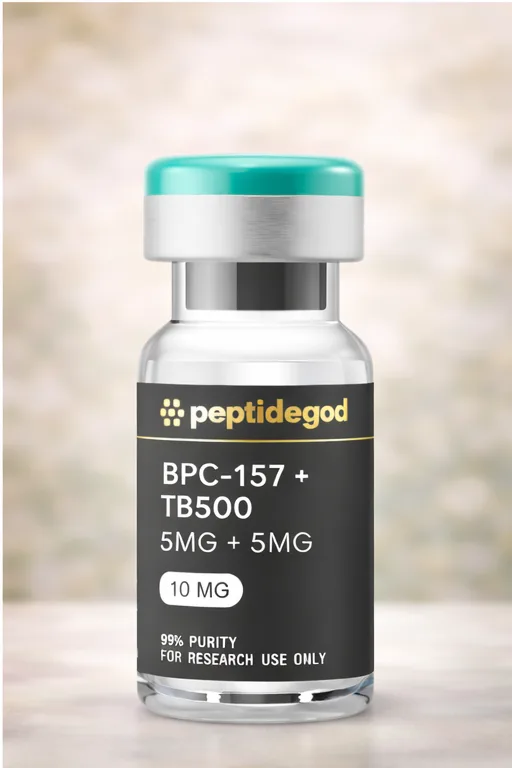 Peptidesbpc157
BPC-157 + TB500 5 MG + 5 MG (TOTAL 10 MG
Top Stack(161)Injury prevention is just as important as injury repair, and BPC-157 Vials are the ultimate insurance policy for your joints. Regular use of BPC-157 can help "bulletproof" your body by constantly reinforcing the connective tissues and soothing the minor inflammations that occur d
- HPLC ≥99%
- 3rd-party tested
- Free shipping
$60.00Order - #5
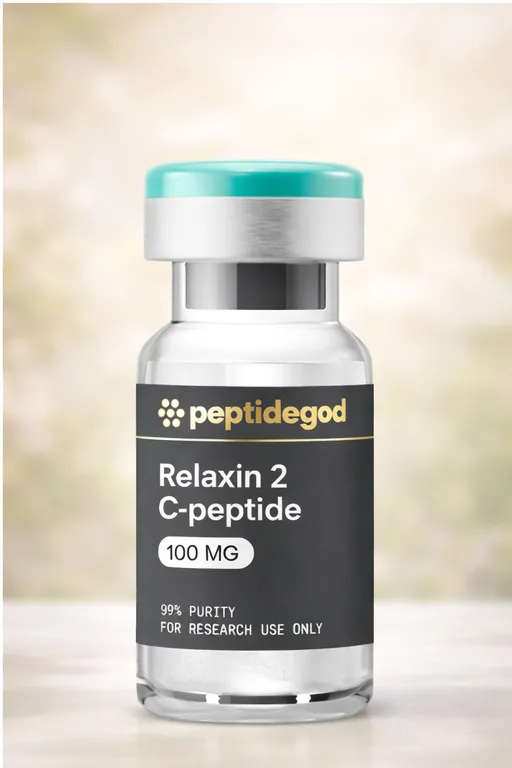 Peptidesbpc157
Relaxin 2 C-peptide (56-129) (Human)
Editor’s Pick(198)Our Human Relaxin 2 C-peptide (56-129) is produced using a specialized lyophilization cycle that preserves the secondary and tertiary structures of the peptide chain. This process is essential for maintaining the biological activity of the 74-amino acid sequence. The result is a
- HPLC ≥99%
- 3rd-party tested
- Free shipping
$428.00Order - #6Peptidesbpc157
Relaxin 2 (Human)
New(235)Relaxin 2 (Human) is a fascinating molecule for researchers focused on endocrine control and fluid homeostasis. This peptide fragment is used to investigate how the body regulates blood volume, osmolality, and thirst mechanisms through the brain and kidneys. Our injectable-grade
- HPLC ≥99%
- 3rd-party tested
- Free shipping
$475.00Order - #7
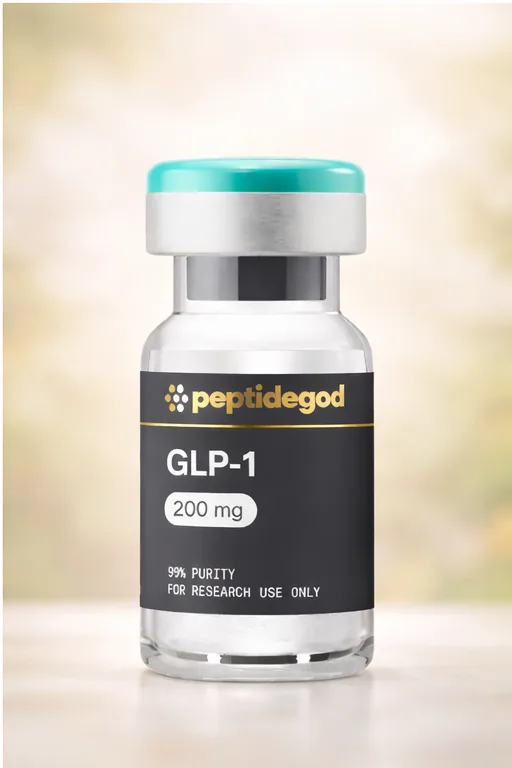 Peptidesbpc157
GLP-1 (Human, Rat, Mouse, Porcine, Bovine, Canine, Ovine)
Trending(52)GLP-1 is the primary ligand for the GLP-1 receptor (GLP-1R), a classic G-protein coupled receptor (GPCR). Our GLP-1 vials are essential for high-resolution mapping of receptor binding affinity and intracellular signaling cascades. This peptide triggers cAMP production, calcium si
- HPLC ≥99%
- 3rd-party tested
- Free shipping
$104.00Order
See top-rated vendors
Compare prices, purity and shipping at a glance.
Reviewed by the Peptidesbpc157 Research Team · Last updated February 2026
References & Scientific Sources
- Sikiric P, et al. BPC 157 and standard angiogenic growth factors. Curr Pharm Des. 2018.
- Seiwerth S, et al. BPC 157 and blood-vessel recruitment in healing. Curr Pharm Des. 2018.
- Sikiric P, et al. Stable gastric pentadecapeptide BPC 157 and the gut-brain axis. 2020.
Sources are provided for educational reference. This content is informational and not a substitute for professional medical advice.