Peptides for Muscle Recovery
Peptides for Muscle Recovery
Why Muscle Recovery Is a Bottleneck for Performance
Muscle recovery is not simply the absence of soreness. It is an active biological process involving inflammation resolution, protein synthesis, satellite cell activation, and connective tissue remodeling. After intense resistance training or injury, the body initiates a cascade of molecular signals to rebuild damaged fibers stronger than before. When this process is disrupted by overtraining, inadequate nutrition, or age-related decline, the result is stalled progress, increased injury risk, and prolonged downtime. Researchers have turned to bioactive peptides as a means of modulating these recovery pathways at a fundamental level, targeting the molecular signals rather than masking symptoms.
How Peptides Interact with Recovery Pathways
Peptides are short chains of amino acids that act as signaling molecules throughout the body. Unlike whole proteins, they are small enough to interact directly with cell surface receptors, growth factor pathways, and angiogenic signals. In the context of muscle recovery, certain research peptides have demonstrated the ability to upregulate growth hormone secretion, stimulate collagen synthesis, reduce oxidative stress in muscle tissue, and promote vascular repair in damaged areas. These are not blunt hormonal interventions but targeted signaling events that work with the body's existing repair infrastructure.
BPC-157 and Its Role in Tissue Repair Research
Among the peptides studied for musculoskeletal recovery, BPC-157 has attracted significant scientific attention. BPC-157 is a synthetic 15-amino-acid peptide derived from a protein found in gastric juice. Preclinical research has investigated its effects on tendon healing, muscle fiber repair, ligament integrity, and even nerve regeneration. Studies in animal models have reported accelerated healing of transected tendons and muscles, reduced inflammation at injury sites, and improved functional recovery compared to controls.
The mechanism appears to involve upregulation of growth hormone receptor expression at the local tissue level, activation of the VEGF pathway to support new blood vessel formation, and modulation of nitric oxide systems that govern blood flow. Research into peptides bpc 157 suggests these effects combine to create an environment more conducive to rapid tissue remodeling. For researchers studying recovery optimization, this profile makes BPC-157 one of the more mechanistically interesting compounds in the peptide space.
Other Peptides Studied for Muscle and Connective Tissue Recovery
BPC-157 is not the only peptide under investigation. A broader look at peptides bpc 157 adjacent research reveals several other compounds with distinct but complementary mechanisms.
- TB-500 (Thymosin Beta-4): Studied for its role in actin regulation and cell migration, potentially accelerating the mobilization of repair cells to injury sites.
- IGF-1 LR3: A longer-acting analog of insulin-like growth factor 1, investigated for its capacity to stimulate satellite cell proliferation and muscle protein synthesis following mechanical damage.
- CJC-1295 and Ipamorelin: Growth hormone secretagogues studied in combination for their ability to amplify the overnight growth hormone pulse, during which much of muscle repair occurs.
- GHK-Cu: A copper peptide with research suggesting roles in collagen production and anti-inflammatory signaling within connective tissue.
Each of these operates through distinct receptor systems, and research suggests their effects may be additive when recovery involves both muscle belly damage and connective tissue involvement.
Considerations for Research Applications
The scientific literature on recovery peptides, including peptides bpc 157 studies, is largely preclinical. The majority of controlled experiments have been conducted in rodent models, with a smaller body of observational and case-based human data. This means direct extrapolation to human physiology requires caution and further clinical validation. Variables such as dosing frequency, route of administration, peptide purity, and individual metabolic differences all influence outcomes and remain active areas of inquiry.
For researchers and institutions examining these compounds, sourcing purity is a critical variable. Peptide degradation, improper storage, or synthesis impurities can substantially alter experimental results. Legitimate peptide research operates within institutional oversight frameworks and treats these compounds strictly as research tools, not therapeutic interventions for human use.
The Direction of Recovery Peptide Research
The field is moving toward combination protocols and biomarker-guided research designs that allow investigators to measure not just functional outcomes but molecular markers of repair such as collagen crosslinking density, satellite cell count, and inflammatory cytokine profiles. As analytical techniques improve and more human trials are designed, the specific contribution of individual peptides to recovery will become clearer. The current evidence base is promising enough to justify continued rigorous investigation, particularly for populations where accelerated tissue repair would carry significant clinical or performance relevance.
Recommended products
- #1
 30 capsules.webp) Peptidesbpc157
Peptidesbpc157BPC-157 Capsules (500mcg)
Best Seller(50)Beyond its famous tissue-repairing capabilities, BPC-157 Capsules offer intriguing benefits for neurological health and cognitive resilience. Research suggests that this peptide exerts neuroprotective effects by modulating the GABAergic and dopaminergic systems, which can help in
- HPLC ≥99%
- 3rd-party tested
- Free shipping
$70.00Order - #2
 60 capsules.webp) Peptidesbpc157
Peptidesbpc157BPC-157 Capsules (500mcg)
Most Popular(87)Emerging research into BPC-157 Capsules has revealed their potential to support the integrity of the blood-brain barrier (BBB). The BBB is the body’s most important filter, protecting the brain from toxins and inflammation. BPC-157 has been shown to help "seal" a compromised barr
- HPLC ≥99%
- 3rd-party tested
- Free shipping
$130.00Order - #3
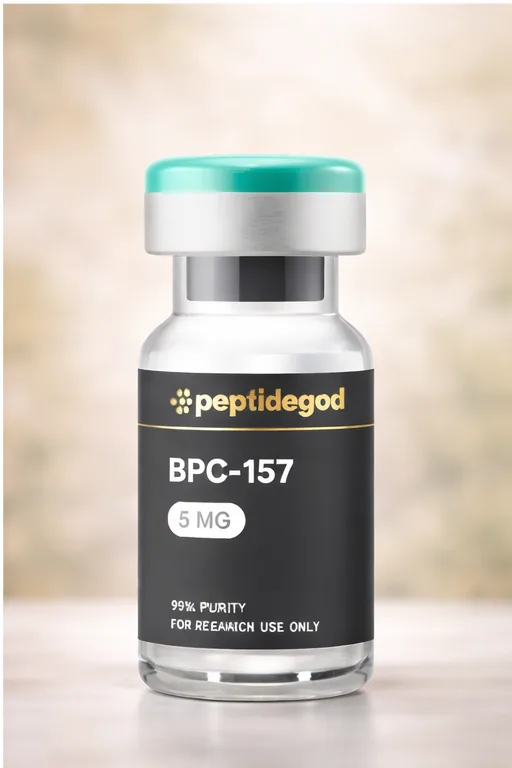 Peptidesbpc157
BPC 157 Peptide
Best Value(124)When you purchase BPC-157 Vials, you are trusting a company with your physical well-being, and we take that responsibility seriously. Every vial of our BPC-157 peptide is produced in a cGMP-compliant facility and undergoes rigorous HPLC (High-Performance Liquid Chromatography) te
- HPLC ≥99%
- 3rd-party tested
- Free shipping
$35.00Order - #4
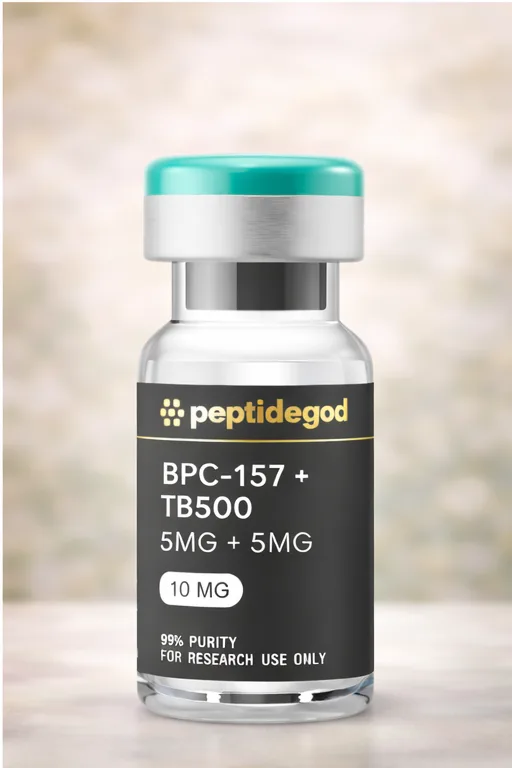 Peptidesbpc157
BPC-157 + TB500 5 MG + 5 MG (TOTAL 10 MG
Top Stack(161)Injury prevention is just as important as injury repair, and BPC-157 Vials are the ultimate insurance policy for your joints. Regular use of BPC-157 can help "bulletproof" your body by constantly reinforcing the connective tissues and soothing the minor inflammations that occur d
- HPLC ≥99%
- 3rd-party tested
- Free shipping
$60.00Order - #5
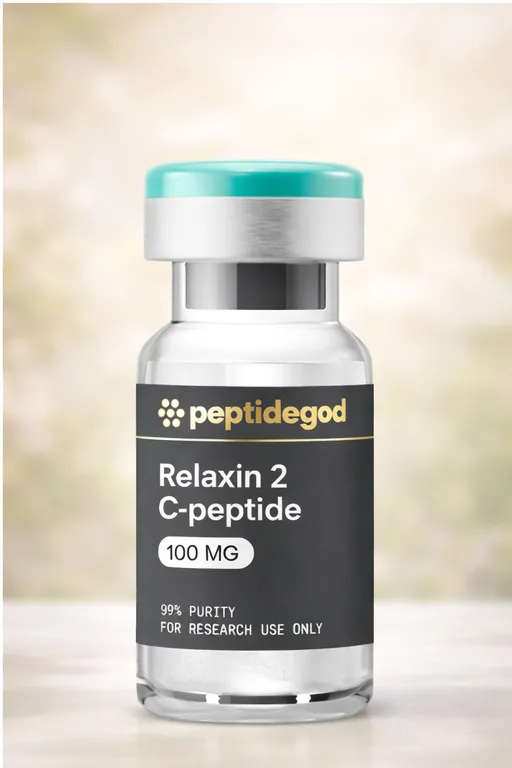 Peptidesbpc157
Relaxin 2 C-peptide (56-129) (Human)
Editor’s Pick(198)Our Human Relaxin 2 C-peptide (56-129) is produced using a specialized lyophilization cycle that preserves the secondary and tertiary structures of the peptide chain. This process is essential for maintaining the biological activity of the 74-amino acid sequence. The result is a
- HPLC ≥99%
- 3rd-party tested
- Free shipping
$428.00Order - #6Peptidesbpc157
Relaxin 2 (Human)
New(235)Relaxin 2 (Human) is a fascinating molecule for researchers focused on endocrine control and fluid homeostasis. This peptide fragment is used to investigate how the body regulates blood volume, osmolality, and thirst mechanisms through the brain and kidneys. Our injectable-grade
- HPLC ≥99%
- 3rd-party tested
- Free shipping
$475.00Order - #7
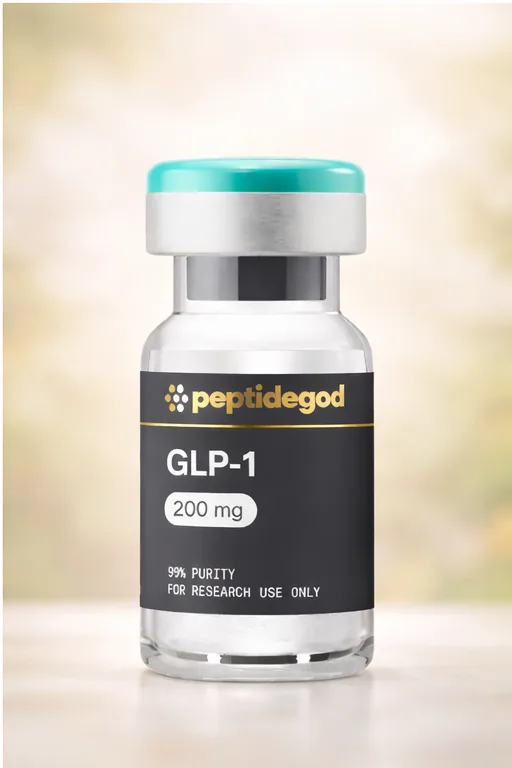 Peptidesbpc157
GLP-1 (Human, Rat, Mouse, Porcine, Bovine, Canine, Ovine)
Trending(52)GLP-1 is the primary ligand for the GLP-1 receptor (GLP-1R), a classic G-protein coupled receptor (GPCR). Our GLP-1 vials are essential for high-resolution mapping of receptor binding affinity and intracellular signaling cascades. This peptide triggers cAMP production, calcium si
- HPLC ≥99%
- 3rd-party tested
- Free shipping
$104.00Order
See top-rated vendors
Compare prices, purity and shipping at a glance.
Reviewed by the Peptidesbpc157 Research Team · Last updated February 2026
References & Scientific Sources
- Sikiric P, et al. BPC 157 and standard angiogenic growth factors. Curr Pharm Des. 2018.
- Seiwerth S, et al. BPC 157 and blood-vessel recruitment in healing. Curr Pharm Des. 2018.
- Sikiric P, et al. Stable gastric pentadecapeptide BPC 157 and the gut-brain axis. 2020.
Sources are provided for educational reference. This content is informational and not a substitute for professional medical advice.