Peptides Dosage Protocols
Peptides Dosage Protocols
Understanding Peptide Research Dosing Principles
Establishing a dosage protocol for research peptides requires careful consideration of molecular weight, half-life, route of administration, and the specific biological pathway under investigation. Unlike small-molecule compounds, peptides are fragile chains of amino acids that degrade rapidly in the gastrointestinal tract, which is why most research protocols rely on subcutaneous or intramuscular injection to preserve bioavailability. Researchers approaching peptides bpc 157 and similar compounds for the first time should understand that dosage frameworks in the literature are derived from controlled animal studies, and human-equivalent dosing remains an area of active inquiry.
BPC-157 Dosage Ranges in Preclinical Research
BPC-157, a synthetic 15-amino-acid peptide derived from a protective gastric protein, is among the most extensively studied research peptides for tissue repair, angiogenesis, and gut mucosal healing. In rodent studies, effective doses have typically ranged from 1 to 10 micrograms per kilogram of body weight, administered once daily. When researchers apply a standard interspecies scaling factor, a rough human-equivalent dose often falls in the 200 to 500 microgram range per administration session. That said, some published protocols use a flat dosing approach rather than weight-based calculations, particularly when studying systemic versus localized effects.
Subcutaneous Administration Protocol
The most commonly referenced protocol for subcutaneous delivery involves reconstituting lyophilized peptide powder in bacteriostatic water, typically at a concentration of 500 mcg per milliliter. Injection sites are rotated across the abdomen or lateral thigh to minimize localized irritation. Research subjects in animal models receive injections once daily in the morning, though some protocols divide the dose into two smaller administrations separated by eight to twelve hours to maintain more stable plasma concentrations throughout the study window.
Oral and Systemic Administration Notes
Several studies on peptides bpc 157 have investigated oral administration specifically for gut-related endpoints, including inflammatory bowel models. Oral doses in these studies tend to be higher due to partial degradation in the stomach, often ranging from 10 to 100 times the injectable dose on a per-kilogram basis. Researchers note that oral delivery appears effective for luminal and mucosal targets but may produce less consistent systemic distribution compared to parenteral routes.
Cycle Length and Frequency Considerations
Research protocols involving BPC-157 and related peptides rarely extend beyond twelve weeks in continuous administration designs. Most studies observe measurable effects within two to four weeks, with peak outcomes noted around the six to eight week mark in injury-repair models. Cycling strategies, where administration periods are followed by washout intervals of equal or greater length, are standard practice in responsible research design. This approach helps isolate peptide-specific effects from confounding variables and avoids receptor desensitization, which has been documented with several growth-factor-adjacent compounds.
- Short-cycle protocols: 4 to 6 weeks of daily administration followed by a 2-week washout
- Standard research cycle: 8 weeks on, 4 weeks off, repeated no more than twice per study phase
- Acute injury models: 2 to 3 weeks of higher-frequency dosing immediately following the experimental insult
- Chronic model protocols: low-dose daily administration for up to 12 weeks with weekly biomarker assessment
Stacking and Combination Protocol Design
Some research designs investigate peptides bpc 157 in combination with other compounds such as TB-500 (Thymosin Beta-4), growth hormone secretagogues, or collagen-supporting peptides. When designing combination protocols, researchers must account for potential additive or synergistic effects on angiogenesis and fibroblast proliferation, which can complicate dose-response interpretation. Standard practice is to establish individual dose-response curves for each peptide before combining them, ensuring that observed effects can be attributed to a specific compound rather than the combination as a whole.
Storage, Reconstitution, and Research Quality Standards
Protocol integrity depends heavily on peptide handling. Lyophilized peptides should be stored at minus 20 degrees Celsius and protected from light until reconstitution. Once reconstituted in bacteriostatic water, solutions are typically stable for four to six weeks when refrigerated at 2 to 8 degrees Celsius. Researchers should verify peptide purity through third-party high-performance liquid chromatography analysis before use, as impurities can introduce variables that invalidate experimental outcomes. Accurate reconstitution calculations and consistent injection technique are foundational to reproducible results across any dosage protocol.
Recommended products
- #1
 30 capsules.webp) Peptidesbpc157
Peptidesbpc157BPC-157 Capsules (500mcg)
Best Seller(50)Beyond its famous tissue-repairing capabilities, BPC-157 Capsules offer intriguing benefits for neurological health and cognitive resilience. Research suggests that this peptide exerts neuroprotective effects by modulating the GABAergic and dopaminergic systems, which can help in
- HPLC ≥99%
- 3rd-party tested
- Free shipping
$70.00Order - #2
 60 capsules.webp) Peptidesbpc157
Peptidesbpc157BPC-157 Capsules (500mcg)
Most Popular(87)Emerging research into BPC-157 Capsules has revealed their potential to support the integrity of the blood-brain barrier (BBB). The BBB is the body’s most important filter, protecting the brain from toxins and inflammation. BPC-157 has been shown to help "seal" a compromised barr
- HPLC ≥99%
- 3rd-party tested
- Free shipping
$130.00Order - #3
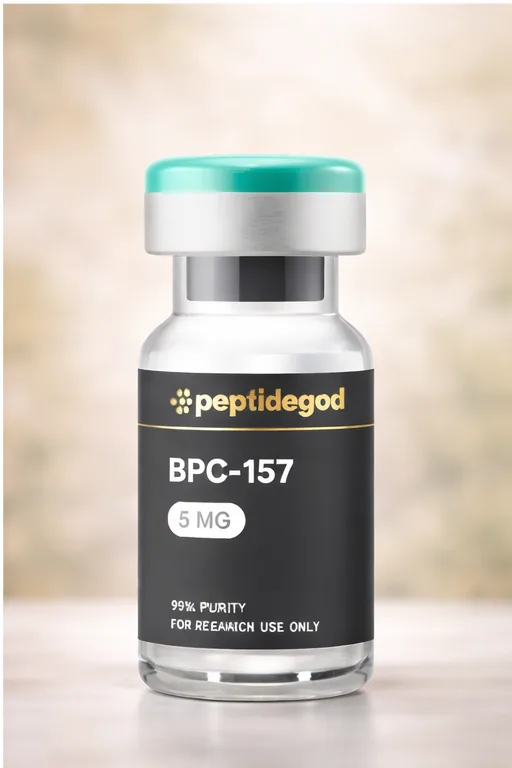 Peptidesbpc157
BPC 157 Peptide
Best Value(124)When you purchase BPC-157 Vials, you are trusting a company with your physical well-being, and we take that responsibility seriously. Every vial of our BPC-157 peptide is produced in a cGMP-compliant facility and undergoes rigorous HPLC (High-Performance Liquid Chromatography) te
- HPLC ≥99%
- 3rd-party tested
- Free shipping
$35.00Order - #4
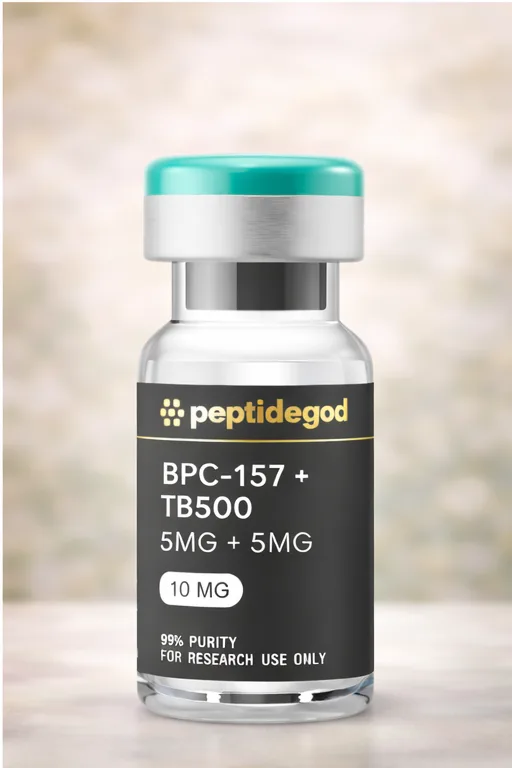 Peptidesbpc157
BPC-157 + TB500 5 MG + 5 MG (TOTAL 10 MG
Top Stack(161)Injury prevention is just as important as injury repair, and BPC-157 Vials are the ultimate insurance policy for your joints. Regular use of BPC-157 can help "bulletproof" your body by constantly reinforcing the connective tissues and soothing the minor inflammations that occur d
- HPLC ≥99%
- 3rd-party tested
- Free shipping
$60.00Order - #5
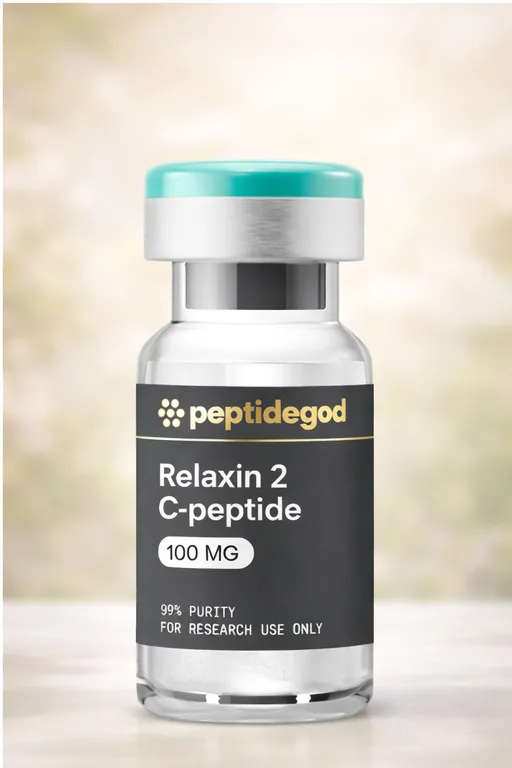 Peptidesbpc157
Relaxin 2 C-peptide (56-129) (Human)
Editor’s Pick(198)Our Human Relaxin 2 C-peptide (56-129) is produced using a specialized lyophilization cycle that preserves the secondary and tertiary structures of the peptide chain. This process is essential for maintaining the biological activity of the 74-amino acid sequence. The result is a
- HPLC ≥99%
- 3rd-party tested
- Free shipping
$428.00Order - #6Peptidesbpc157
Relaxin 2 (Human)
New(235)Relaxin 2 (Human) is a fascinating molecule for researchers focused on endocrine control and fluid homeostasis. This peptide fragment is used to investigate how the body regulates blood volume, osmolality, and thirst mechanisms through the brain and kidneys. Our injectable-grade
- HPLC ≥99%
- 3rd-party tested
- Free shipping
$475.00Order - #7
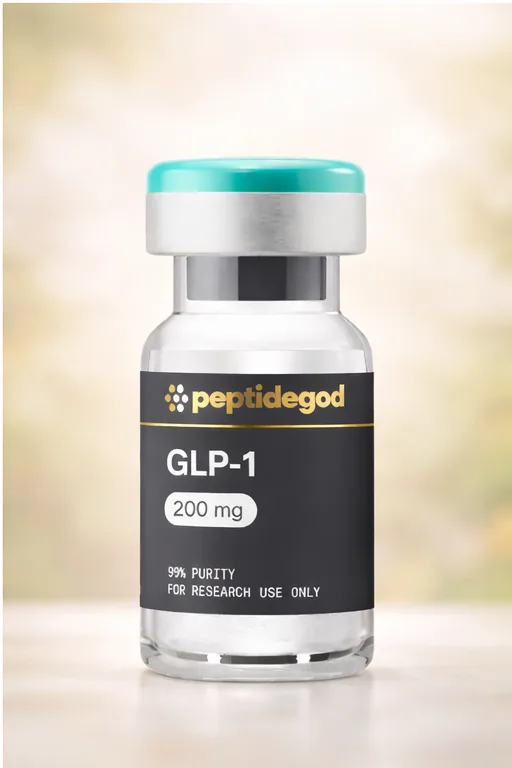 Peptidesbpc157
GLP-1 (Human, Rat, Mouse, Porcine, Bovine, Canine, Ovine)
Trending(52)GLP-1 is the primary ligand for the GLP-1 receptor (GLP-1R), a classic G-protein coupled receptor (GPCR). Our GLP-1 vials are essential for high-resolution mapping of receptor binding affinity and intracellular signaling cascades. This peptide triggers cAMP production, calcium si
- HPLC ≥99%
- 3rd-party tested
- Free shipping
$104.00Order
See top-rated vendors
Compare prices, purity and shipping at a glance.
Reviewed by the Peptidesbpc157 Research Team · Last updated February 2026
References & Scientific Sources
- Sikiric P, et al. BPC 157 and standard angiogenic growth factors. Curr Pharm Des. 2018.
- Seiwerth S, et al. BPC 157 and blood-vessel recruitment in healing. Curr Pharm Des. 2018.
- Sikiric P, et al. Stable gastric pentadecapeptide BPC 157 and the gut-brain axis. 2020.
Sources are provided for educational reference. This content is informational and not a substitute for professional medical advice.