Oral vs Injectable Peptides
Oral vs Injectable Peptides
Why Delivery Route Matters in Peptide Research
When researchers evaluate synthetic peptides for tissue-repair and recovery studies, one of the first decisions involves how the compound reaches systemic circulation. Peptides are short chains of amino acids held together by peptide bonds — the same bonds that digestive enzymes are designed to cleave. This biochemical reality means that the route of administration is not a minor logistical detail but a variable that directly determines bioavailability, onset kinetics, and the concentration available at target tissues. Understanding the distinction between oral and injectable delivery is therefore essential before designing or interpreting any peptide research protocol.
How the Gut Degrades Peptides
The gastrointestinal tract is a highly efficient proteolytic environment. Pepsin in the stomach and a battery of pancreatic enzymes — trypsin, chymotrypsin, elastase, and carboxypeptidases — work in sequence to hydrolyze peptide bonds into individual amino acids or small fragments. Larger synthetic peptides administered orally are therefore subject to near-complete degradation before meaningful absorption can occur. Even peptides that survive enzymatic attack face a second barrier: the intestinal epithelium is selectively permeable, and most peptides above three to five amino acids cannot cross intact via passive diffusion. Transporter proteins handle small di- and tripeptides efficiently, but longer chains are largely excluded.
For most research-grade peptides studied in preclinical models, oral bioavailability is reported at well below one percent of the administered dose. This does not mean oral administration is always scientifically irrelevant — local gastrointestinal effects can be studied without requiring systemic absorption — but it does mean researchers cannot assume dose equivalence between oral and injectable protocols when systemic endpoints are the focus.
Injectable Administration: Subcutaneous and Intramuscular Routes
Subcutaneous injection deposits a peptide solution into the adipose tissue just beneath the skin, where it diffuses into capillaries and enters circulation gradually. Intramuscular injection places the compound into vascular muscle tissue, producing a faster uptake profile. Both routes bypass the digestive tract entirely, preserving molecular integrity and allowing researchers to administer precise, reproducible doses. When studying peptides bpc 157 in animal models, injectable routes achieve measurable plasma concentrations within minutes to hours depending on solution concentration and injection site.
Subcutaneous administration is the most commonly reported route in preclinical tissue-repair studies. The technique is straightforward, depot formation is minimal with aqueous solutions, and absorption curves are consistent across subjects. Intramuscular injection is sometimes selected when faster systemic exposure is the research priority, though localized tissue effects at the injection site can introduce confounding variables in certain study designs.
BPC-157 as a Case Study in Delivery Comparison
BPC-157 is a synthetic 15-amino-acid peptide derived from a gastric protein sequence. Preclinical research has examined both oral and injectable delivery, and the findings highlight an important nuance: BPC-157 demonstrates measurable systemic activity via both routes in rodent studies, which is unusual for a peptide of its chain length. Some researchers hypothesize that partial resistance to luminal proteolysis and interaction with mucosal receptors may contribute to observed oral activity, though the precise mechanism remains under active investigation.
When comparing peptides bpc 157 studies that use oral versus injectable protocols, effect size and dose requirements differ substantially. Injectable studies typically report biological effects at microgram-per-kilogram doses, whereas oral studies often employ milligram-per-kilogram ranges to achieve comparable outcomes — consistent with the reduced bioavailability inherent to gastrointestinal delivery. Researchers should account for this gap carefully when extrapolating results across delivery methods or attempting to align dosing between independent study designs. Conflating the two without adjustment can produce seriously misleading conclusions about potency.
Practical Considerations for Research Protocol Design
Selecting between oral and injectable delivery in a research setting involves several variables beyond raw bioavailability. The following factors are commonly weighed when structuring a peptide study:
- Solution stability: Injectable peptides must be reconstituted in bacteriostatic water or sterile saline and stored under appropriate conditions to prevent aggregation or oxidative degradation. Oral formulations face the additional challenge of surviving gastric acid and sequential enzymatic exposure before reaching the small intestine.
- Dose precision: Injectable routes allow for tightly controlled, weight-adjusted dosing. Oral dosing introduces variability from gastrointestinal transit time, feeding state, and mucosal pH differences between subjects.
- Target tissue: Studies examining systemic or musculoskeletal outcomes generally favor injectable administration for reliable plasma exposure. Research focused on gastrointestinal mucosal healing may specifically use oral delivery to maintain high local peptide concentrations within the gut lumen itself.
- Protocol duration: Long-term injectable regimens require strict aseptic technique and injection-site rotation to avoid local tissue irritation, while oral administration is logistically simpler for studies spanning weeks or months.
Researchers studying peptides bpc 157 should document delivery route, vehicle, concentration, and injection site with the same rigor applied to dose itself, since these variables collectively determine what the data actually measure. Comparisons across literature that ignore route differences should be treated with caution. All content on this page is intended for scientific and educational purposes only and does not constitute medical advice.
Recommended products
- #1
 30 capsules.webp) Peptidesbpc157
Peptidesbpc157BPC-157 Capsules (500mcg)
Best Seller(50)Beyond its famous tissue-repairing capabilities, BPC-157 Capsules offer intriguing benefits for neurological health and cognitive resilience. Research suggests that this peptide exerts neuroprotective effects by modulating the GABAergic and dopaminergic systems, which can help in
- HPLC ≥99%
- 3rd-party tested
- Free shipping
$70.00Order - #2
 60 capsules.webp) Peptidesbpc157
Peptidesbpc157BPC-157 Capsules (500mcg)
Most Popular(87)Emerging research into BPC-157 Capsules has revealed their potential to support the integrity of the blood-brain barrier (BBB). The BBB is the body’s most important filter, protecting the brain from toxins and inflammation. BPC-157 has been shown to help "seal" a compromised barr
- HPLC ≥99%
- 3rd-party tested
- Free shipping
$130.00Order - #3
 Peptidesbpc157
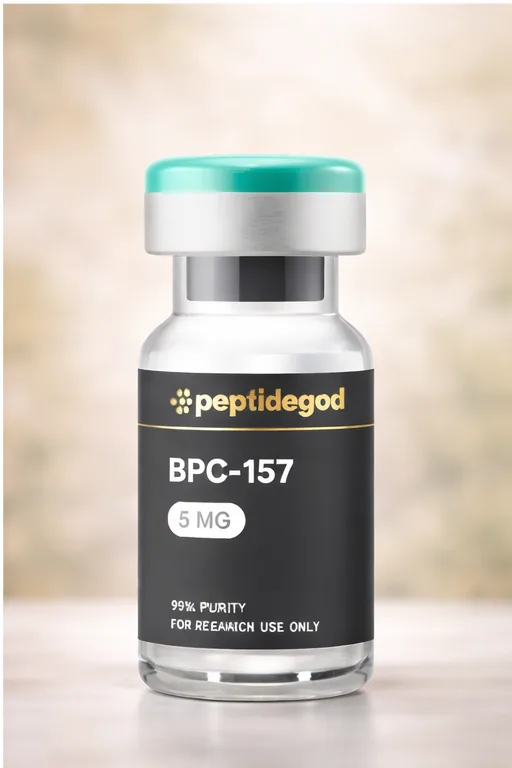
BPC 157 Peptide
Best Value(124)When you purchase BPC-157 Vials, you are trusting a company with your physical well-being, and we take that responsibility seriously. Every vial of our BPC-157 peptide is produced in a cGMP-compliant facility and undergoes rigorous HPLC (High-Performance Liquid Chromatography) te
- HPLC ≥99%
- 3rd-party tested
- Free shipping
$35.00Order - #4
 Peptidesbpc157
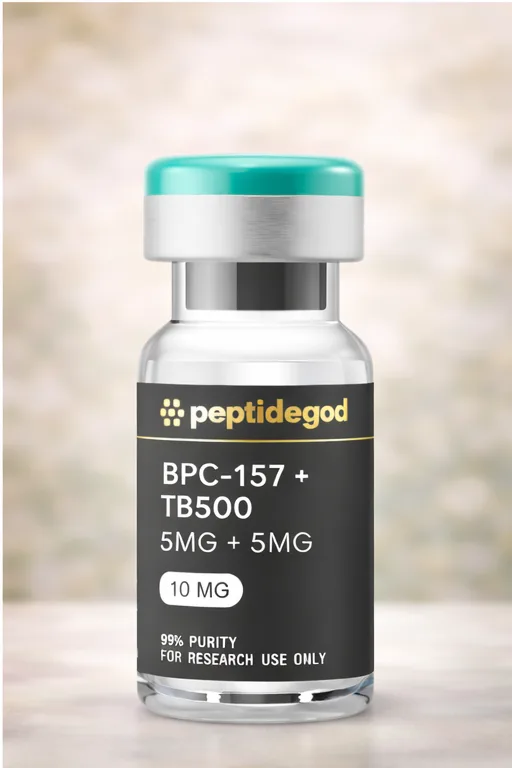
BPC-157 + TB500 5 MG + 5 MG (TOTAL 10 MG
Top Stack(161)Injury prevention is just as important as injury repair, and BPC-157 Vials are the ultimate insurance policy for your joints. Regular use of BPC-157 can help "bulletproof" your body by constantly reinforcing the connective tissues and soothing the minor inflammations that occur d
- HPLC ≥99%
- 3rd-party tested
- Free shipping
$60.00Order - #5
 Peptidesbpc157
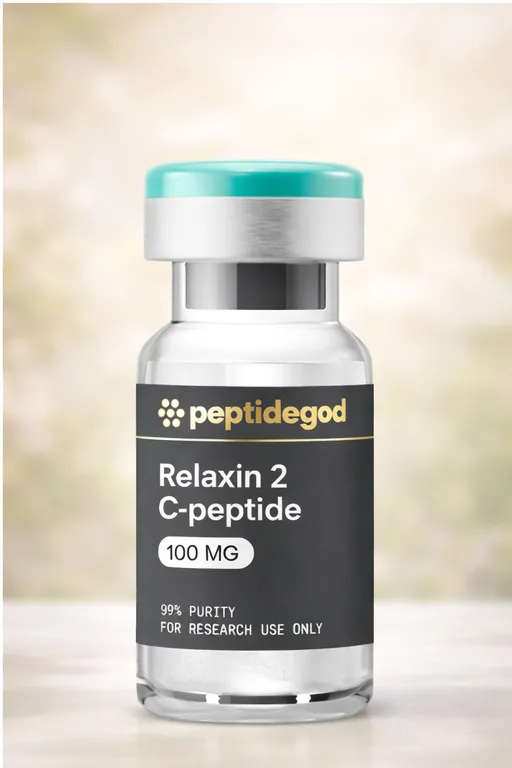
Relaxin 2 C-peptide (56-129) (Human)
Editor’s Pick(198)Our Human Relaxin 2 C-peptide (56-129) is produced using a specialized lyophilization cycle that preserves the secondary and tertiary structures of the peptide chain. This process is essential for maintaining the biological activity of the 74-amino acid sequence. The result is a
- HPLC ≥99%
- 3rd-party tested
- Free shipping
$428.00Order - #6Peptidesbpc157
Relaxin 2 (Human)
New(235)Relaxin 2 (Human) is a fascinating molecule for researchers focused on endocrine control and fluid homeostasis. This peptide fragment is used to investigate how the body regulates blood volume, osmolality, and thirst mechanisms through the brain and kidneys. Our injectable-grade
- HPLC ≥99%
- 3rd-party tested
- Free shipping
$475.00Order - #7
 Peptidesbpc157
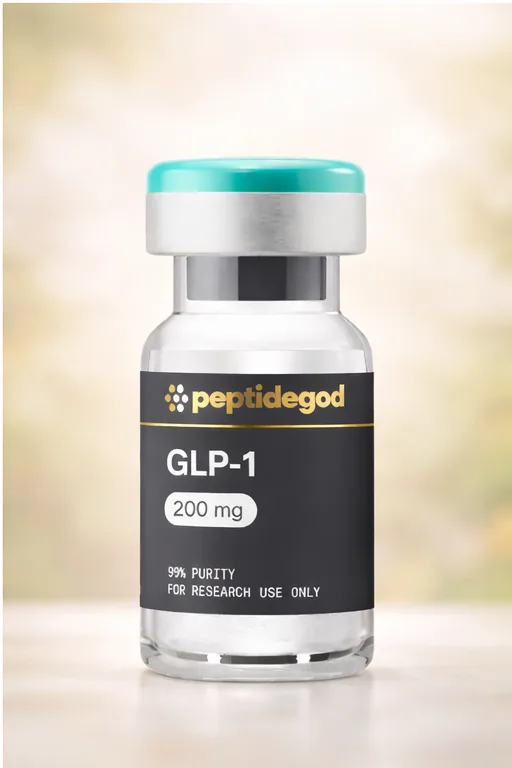
GLP-1 (Human, Rat, Mouse, Porcine, Bovine, Canine, Ovine)
Trending(52)GLP-1 is the primary ligand for the GLP-1 receptor (GLP-1R), a classic G-protein coupled receptor (GPCR). Our GLP-1 vials are essential for high-resolution mapping of receptor binding affinity and intracellular signaling cascades. This peptide triggers cAMP production, calcium si
- HPLC ≥99%
- 3rd-party tested
- Free shipping
$104.00Order
See top-rated vendors
Compare prices, purity and shipping at a glance.
Reviewed by the Peptidesbpc157 Research Team · Last updated February 2026
References & Scientific Sources
- Sikiric P, et al. BPC 157 and standard angiogenic growth factors. Curr Pharm Des. 2018.
- Seiwerth S, et al. BPC 157 and blood-vessel recruitment in healing. Curr Pharm Des. 2018.
- Sikiric P, et al. Stable gastric pentadecapeptide BPC 157 and the gut-brain axis. 2020.
Sources are provided for educational reference. This content is informational and not a substitute for professional medical advice.