Peptide FAQ
Peptide FAQ
What Are Peptides and How Do They Work?
Peptides are short chains of amino acids linked by peptide bonds. Unlike full proteins, which can contain hundreds of amino acids, peptides typically consist of between two and fifty amino acids. This smaller size allows them to interact with specific receptors in the body more precisely than larger molecules. In biological systems, peptides serve as signaling compounds, hormones, enzymes, and structural components. Researchers synthesize peptides in laboratory settings to study how these molecular interactions influence physiological processes such as inflammation, cellular repair, and growth factor expression.
When a peptide binds to a receptor, it can activate or suppress downstream signaling cascades. The specificity of this binding is determined by the peptide's sequence and three-dimensional conformation. This precision is one reason synthetic peptides have become popular subjects in preclinical research, where investigators aim to isolate particular biological effects with minimal off-target activity.
What Is BPC-157 and Why Is It Studied?
BPC-157 is a synthetic 15-amino-acid peptide derived from a portion of a naturally occurring protein found in gastric juice. The abbreviation BPC stands for Body Protection Compound. Researchers studying peptides bpc 157 have published numerous preclinical studies examining its effects on tendon, ligament, muscle, and nerve tissue. Animal studies have observed accelerated healing of injured tendons and ligaments, promotion of angiogenesis (new blood vessel formation), and modulation of nitric oxide pathways.
BPC-157 is also studied for its potential effects on the gut-brain axis. Rodent models have shown reduced intestinal inflammation and changes in dopamine and serotonin activity following administration. These findings make it an active area of interest for researchers focused on gastrointestinal health and neurological function. All published research to date remains at the preclinical stage; no large-scale human clinical trials have been completed.
How Are Research Peptides Typically Administered in Studies?
In preclinical research, peptides are most commonly administered via subcutaneous or intramuscular injection, as this bypasses first-pass metabolism in the liver and allows predictable absorption. Some studies use oral or intraperitoneal routes depending on the research objective. BPC-157 is notable in that several animal studies have investigated both injectable and oral administration, with both routes producing measurable results in rodent models, though bioavailability profiles differ between them.
Dosing in animal studies is typically expressed in micrograms per kilogram of body weight. Translating these dosing parameters to humans is not straightforward and requires consideration of metabolic scaling, species differences, and individual variability. Researchers emphasize that animal study data cannot be directly applied to human dosing without rigorous clinical investigation.
Common Questions About Peptide Stability and Storage
Peptides are sensitive molecules that can degrade under improper storage conditions. Most lyophilized (freeze-dried) research peptides remain stable at room temperature for short periods but should be stored at 2 to 8 degrees Celsius for longer-term preservation. Once reconstituted with bacteriostatic water or sterile saline, peptide solutions should be refrigerated and used within a defined window, typically two to four weeks, to prevent loss of potency through hydrolysis or microbial contamination.
- Store lyophilized peptides away from direct light and humidity
- Use bacteriostatic water for reconstitution to extend solution stability
- Avoid repeated freeze-thaw cycles, which can degrade peptide integrity
- Check certificate of analysis documentation for purity and sequence verification before use in research
What Should Researchers Know Before Working With Peptides BPC 157?
Researchers planning to work with peptides bpc 157 should begin by reviewing the existing body of preclinical literature to understand what has and has not been demonstrated in controlled settings. Sourcing matters considerably: peptide quality varies widely between suppliers, and researchers should require third-party high-performance liquid chromatography and mass spectrometry data to confirm purity levels above 98 percent and correct molecular weight.
Regulatory status also varies by jurisdiction. In many countries, synthetic peptides are classified as research chemicals and are legal to purchase for in vitro or animal research but are not approved for human therapeutic use. Researchers operating within institutional settings should confirm that their work aligns with institutional review board protocols and applicable regulations. Articles and product descriptions on research-peptide platforms are intended as informational resources only and do not constitute medical advice or clinical guidance.
Are There Other Peptides Commonly Studied Alongside BPC-157?
BPC-157 is frequently examined in parallel with other repair-focused peptides in the literature. TB-500, a synthetic analog of Thymosin Beta-4, is another commonly researched peptide associated with actin regulation and tissue recovery. GHK-Cu, a copper-binding tripeptide, appears in dermatological and wound-healing research. Selank and Semax are studied for potential cognitive and anxiolytic effects in rodent models. Each of these peptides acts through distinct molecular mechanisms, and researchers often compare them to better understand which biological pathways are responsible for observed outcomes in regenerative and functional studies.
Recommended products
- #1
 30 capsules.webp) Peptidesbpc157
Peptidesbpc157BPC-157 Capsules (500mcg)
Best Seller(50)Beyond its famous tissue-repairing capabilities, BPC-157 Capsules offer intriguing benefits for neurological health and cognitive resilience. Research suggests that this peptide exerts neuroprotective effects by modulating the GABAergic and dopaminergic systems, which can help in
- HPLC ≥99%
- 3rd-party tested
- Free shipping
$70.00Order - #2
 60 capsules.webp) Peptidesbpc157
Peptidesbpc157BPC-157 Capsules (500mcg)
Most Popular(87)Emerging research into BPC-157 Capsules has revealed their potential to support the integrity of the blood-brain barrier (BBB). The BBB is the body’s most important filter, protecting the brain from toxins and inflammation. BPC-157 has been shown to help "seal" a compromised barr
- HPLC ≥99%
- 3rd-party tested
- Free shipping
$130.00Order - #3
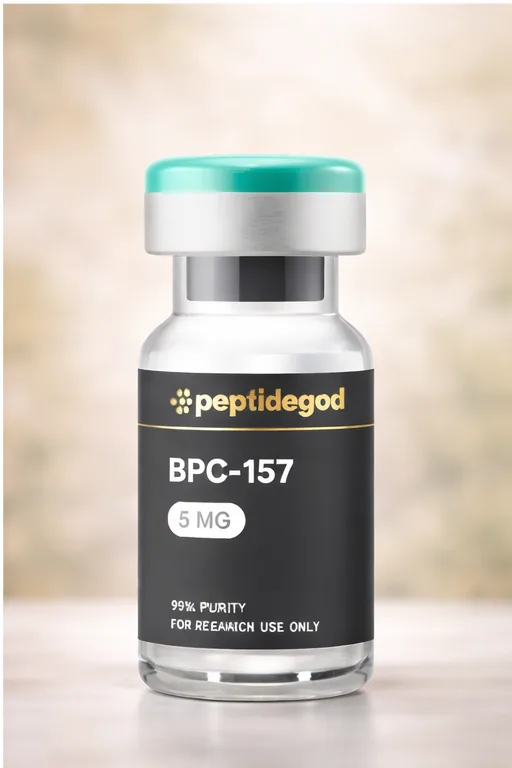 Peptidesbpc157
BPC 157 Peptide
Best Value(124)When you purchase BPC-157 Vials, you are trusting a company with your physical well-being, and we take that responsibility seriously. Every vial of our BPC-157 peptide is produced in a cGMP-compliant facility and undergoes rigorous HPLC (High-Performance Liquid Chromatography) te
- HPLC ≥99%
- 3rd-party tested
- Free shipping
$35.00Order - #4
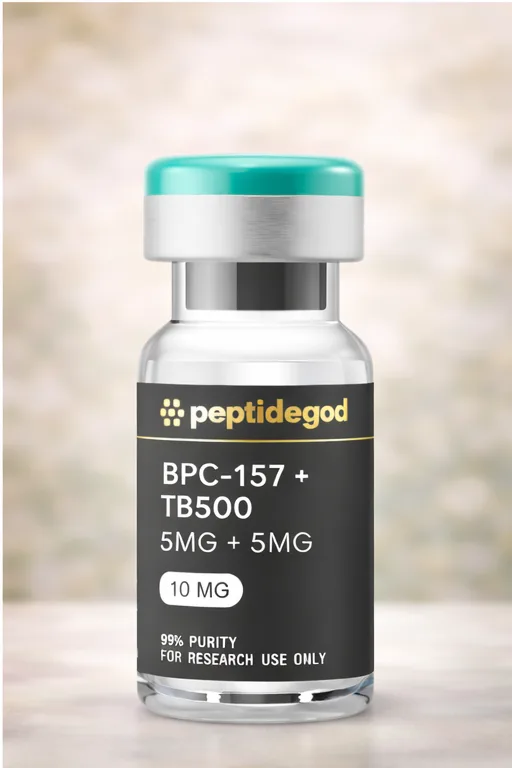 Peptidesbpc157
BPC-157 + TB500 5 MG + 5 MG (TOTAL 10 MG
Top Stack(161)Injury prevention is just as important as injury repair, and BPC-157 Vials are the ultimate insurance policy for your joints. Regular use of BPC-157 can help "bulletproof" your body by constantly reinforcing the connective tissues and soothing the minor inflammations that occur d
- HPLC ≥99%
- 3rd-party tested
- Free shipping
$60.00Order - #5
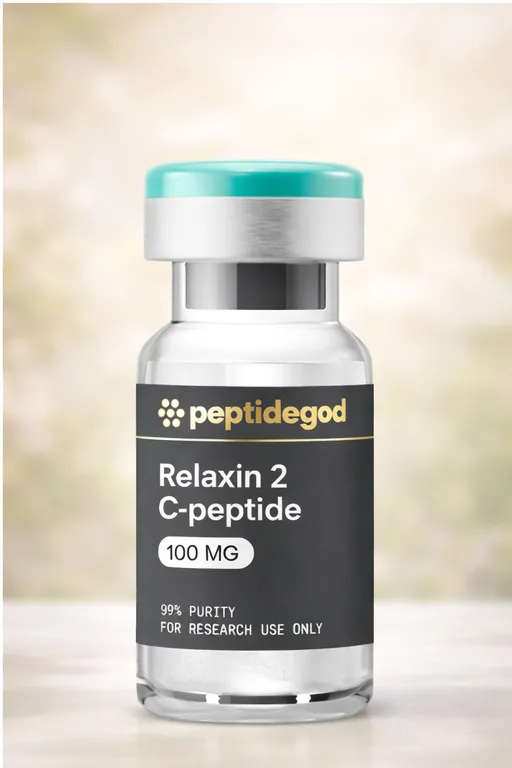 Peptidesbpc157
Relaxin 2 C-peptide (56-129) (Human)
Editor’s Pick(198)Our Human Relaxin 2 C-peptide (56-129) is produced using a specialized lyophilization cycle that preserves the secondary and tertiary structures of the peptide chain. This process is essential for maintaining the biological activity of the 74-amino acid sequence. The result is a
- HPLC ≥99%
- 3rd-party tested
- Free shipping
$428.00Order - #6Peptidesbpc157
Relaxin 2 (Human)
New(235)Relaxin 2 (Human) is a fascinating molecule for researchers focused on endocrine control and fluid homeostasis. This peptide fragment is used to investigate how the body regulates blood volume, osmolality, and thirst mechanisms through the brain and kidneys. Our injectable-grade
- HPLC ≥99%
- 3rd-party tested
- Free shipping
$475.00Order - #7
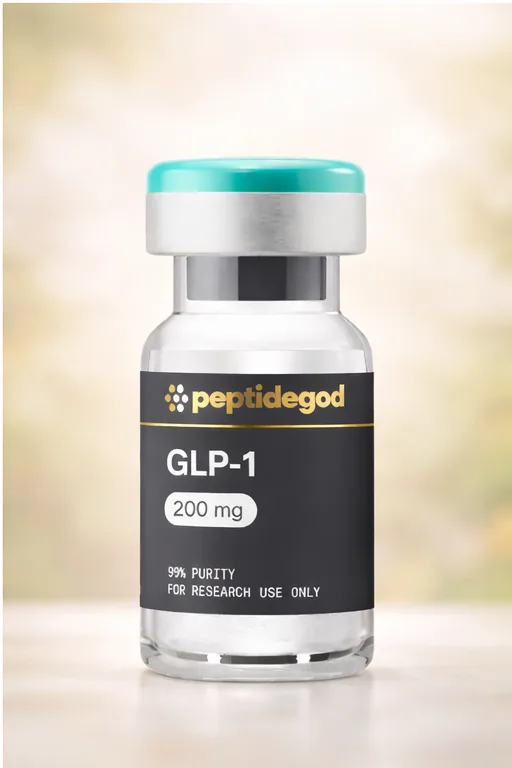 Peptidesbpc157
GLP-1 (Human, Rat, Mouse, Porcine, Bovine, Canine, Ovine)
Trending(52)GLP-1 is the primary ligand for the GLP-1 receptor (GLP-1R), a classic G-protein coupled receptor (GPCR). Our GLP-1 vials are essential for high-resolution mapping of receptor binding affinity and intracellular signaling cascades. This peptide triggers cAMP production, calcium si
- HPLC ≥99%
- 3rd-party tested
- Free shipping
$104.00Order
See top-rated vendors
Compare prices, purity and shipping at a glance.
Reviewed by the Peptidesbpc157 Research Team · Last updated February 2026
References & Scientific Sources
- Sikiric P, et al. BPC 157 and standard angiogenic growth factors. Curr Pharm Des. 2018.
- Seiwerth S, et al. BPC 157 and blood-vessel recruitment in healing. Curr Pharm Des. 2018.
- Sikiric P, et al. Stable gastric pentadecapeptide BPC 157 and the gut-brain axis. 2020.
Sources are provided for educational reference. This content is informational and not a substitute for professional medical advice.