Peptides Safety Guide
Peptides Safety Guide
Understanding Research Peptides and Their Applications
Research peptides are short chains of amino acids synthesized to replicate or modify naturally occurring peptides found in the human body. Scientists and researchers use these compounds to investigate biological processes including tissue regeneration, immune modulation, hormonal signaling, and cellular repair mechanisms. Among the most widely studied compounds in this field, peptides bpc 157 has attracted significant attention due to its 15-amino-acid sequence and its observed effects on connective tissue, gastrointestinal lining integrity, and angiogenesis in preclinical models. Understanding the safety profile of any research peptide begins with recognizing that these compounds are intended for controlled laboratory and research settings, not for unsupervised personal use.
Purity, Sourcing, and Quality Control
The single most important safety variable when working with research peptides is the purity of the compound. Low-quality or improperly synthesized peptides can contain residual solvents, bacterial endotoxins, heavy metals, or truncated peptide chains that introduce unpredictable variables into any research protocol. Researchers should source peptides exclusively from suppliers who provide third-party certificates of analysis (COA) confirming purity levels above 98% via high-performance liquid chromatography (HPLC) and mass spectrometry verification.
Lyophilized (freeze-dried) powder form is the standard for stable peptide storage. Reconstitution should be performed using bacteriostatic water or sterile saline under aseptic conditions. Reconstituted solutions should be stored at 2–8°C and used within the timeframe specified by the supplier, typically 30 days. Exposure to repeated freeze-thaw cycles, direct light, or elevated temperatures degrades peptide bonds and reduces both efficacy and predictability of the compound in research contexts.
Dosing Principles and Protocol Design
Peptide research protocols must be designed with conservative dose escalation in mind. Preclinical data from rodent studies on peptides bpc 157, for example, demonstrates activity at microgram-per-kilogram body weight ranges, which underscores the potency of these molecules even at low concentrations. Researchers designing in vivo or observational protocols should begin at the lowest documented effective dose and monitor for unexpected systemic responses before adjusting variables.
Route of Administration Considerations
Different administration routes carry distinct risk profiles. Subcutaneous injection delivers the peptide into the interstitial tissue beneath the skin, generally resulting in slower absorption and a more stable pharmacokinetic curve. Intramuscular injection offers faster uptake but carries a slightly higher risk of localized tissue irritation if the solution is not properly prepared. Oral administration is under investigation for certain peptides, though bioavailability through the gastrointestinal tract remains highly variable and peptide-specific. Any injectable protocol demands strict sterile technique to prevent contamination-related complications.
Recognizing and Managing Adverse Responses
Even well-characterized research peptides can produce unintended physiological responses, particularly when used outside of controlled laboratory conditions. Researchers observing subjects should monitor for the following potential indicators of adverse response:
- Localized injection site reactions including redness, swelling, or prolonged tenderness
- Systemic symptoms such as nausea, headache, or dizziness following administration
- Unexpected hormonal or metabolic changes as measured through bloodwork panels
- Allergic-type responses including skin flushing or respiratory discomfort
- Behavioral or mood changes that fall outside established baseline parameters
If any adverse response is observed, the protocol should be paused and the data documented thoroughly. Research involving peptides bpc 157 or any synthetic compound should always operate within an ethical framework that prioritizes subject safety over data collection timelines.
Legal and Regulatory Framework
The regulatory status of research peptides varies significantly by jurisdiction. In the United States, most synthetic peptides are not approved by the FDA for human therapeutic use and are classified as research chemicals when sold for laboratory purposes. Researchers and institutions must ensure full compliance with local and national regulations governing the purchase, storage, handling, and disposal of these compounds. Institutional review and proper documentation protect both the researcher and the integrity of the data produced.
This article is intended for informational purposes related to research contexts only. Nothing presented here constitutes medical advice, and these compounds should not be used for self-treatment or administered outside of properly supervised research frameworks.
Recommended products
- #1
 30 capsules.webp) Peptidesbpc157
Peptidesbpc157BPC-157 Capsules (500mcg)
Best Seller(50)Beyond its famous tissue-repairing capabilities, BPC-157 Capsules offer intriguing benefits for neurological health and cognitive resilience. Research suggests that this peptide exerts neuroprotective effects by modulating the GABAergic and dopaminergic systems, which can help in
- HPLC ≥99%
- 3rd-party tested
- Free shipping
$70.00Order - #2
 60 capsules.webp) Peptidesbpc157
Peptidesbpc157BPC-157 Capsules (500mcg)
Most Popular(87)Emerging research into BPC-157 Capsules has revealed their potential to support the integrity of the blood-brain barrier (BBB). The BBB is the body’s most important filter, protecting the brain from toxins and inflammation. BPC-157 has been shown to help "seal" a compromised barr
- HPLC ≥99%
- 3rd-party tested
- Free shipping
$130.00Order - #3
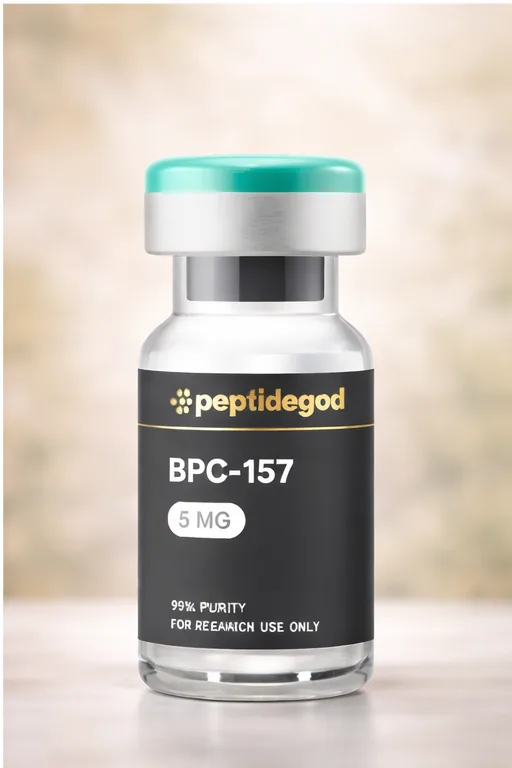 Peptidesbpc157
BPC 157 Peptide
Best Value(124)When you purchase BPC-157 Vials, you are trusting a company with your physical well-being, and we take that responsibility seriously. Every vial of our BPC-157 peptide is produced in a cGMP-compliant facility and undergoes rigorous HPLC (High-Performance Liquid Chromatography) te
- HPLC ≥99%
- 3rd-party tested
- Free shipping
$35.00Order - #4
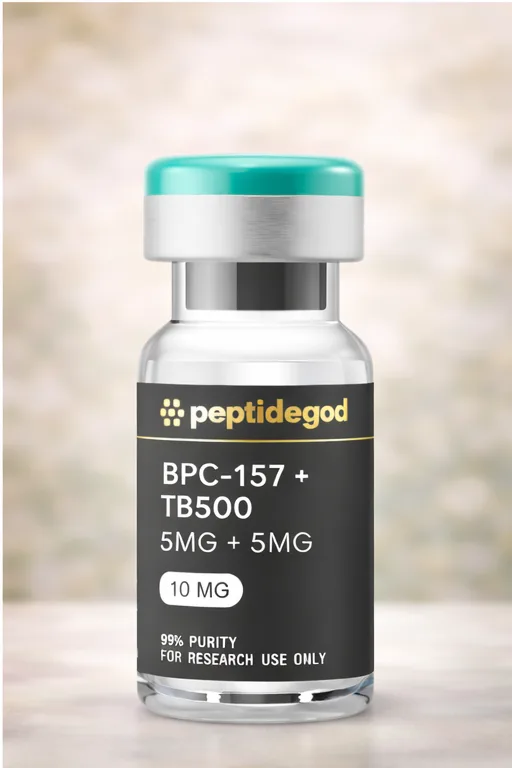 Peptidesbpc157
BPC-157 + TB500 5 MG + 5 MG (TOTAL 10 MG
Top Stack(161)Injury prevention is just as important as injury repair, and BPC-157 Vials are the ultimate insurance policy for your joints. Regular use of BPC-157 can help "bulletproof" your body by constantly reinforcing the connective tissues and soothing the minor inflammations that occur d
- HPLC ≥99%
- 3rd-party tested
- Free shipping
$60.00Order - #5
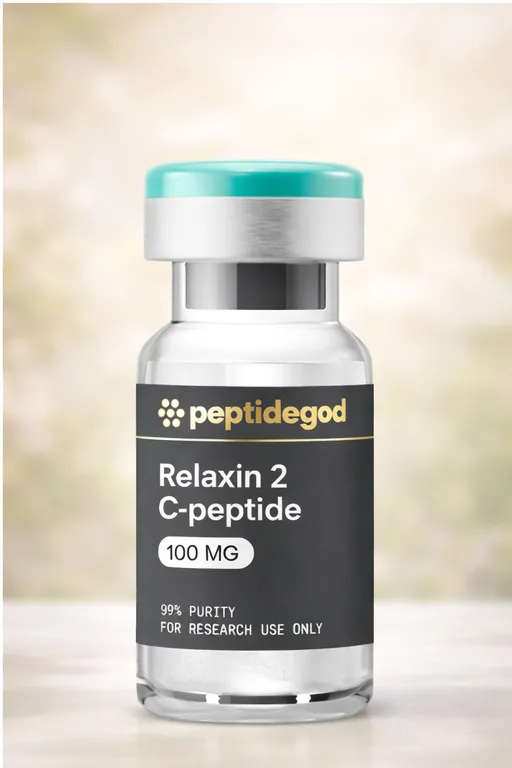 Peptidesbpc157
Relaxin 2 C-peptide (56-129) (Human)
Editor’s Pick(198)Our Human Relaxin 2 C-peptide (56-129) is produced using a specialized lyophilization cycle that preserves the secondary and tertiary structures of the peptide chain. This process is essential for maintaining the biological activity of the 74-amino acid sequence. The result is a
- HPLC ≥99%
- 3rd-party tested
- Free shipping
$428.00Order - #6Peptidesbpc157
Relaxin 2 (Human)
New(235)Relaxin 2 (Human) is a fascinating molecule for researchers focused on endocrine control and fluid homeostasis. This peptide fragment is used to investigate how the body regulates blood volume, osmolality, and thirst mechanisms through the brain and kidneys. Our injectable-grade
- HPLC ≥99%
- 3rd-party tested
- Free shipping
$475.00Order - #7
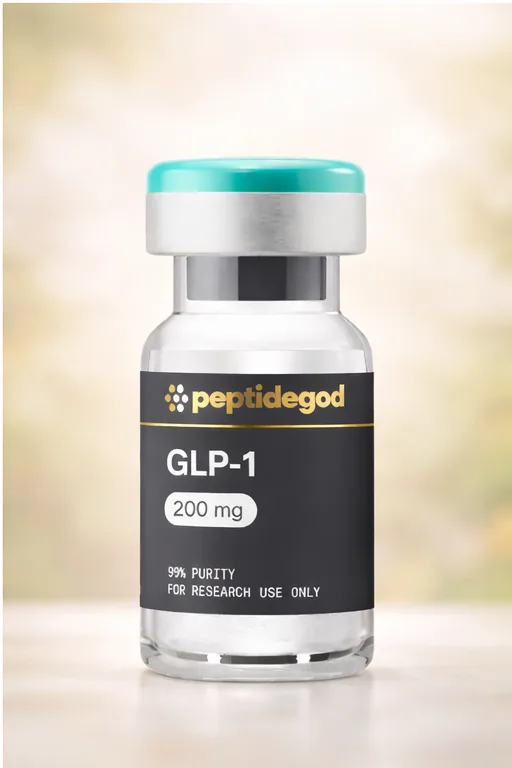 Peptidesbpc157
GLP-1 (Human, Rat, Mouse, Porcine, Bovine, Canine, Ovine)
Trending(52)GLP-1 is the primary ligand for the GLP-1 receptor (GLP-1R), a classic G-protein coupled receptor (GPCR). Our GLP-1 vials are essential for high-resolution mapping of receptor binding affinity and intracellular signaling cascades. This peptide triggers cAMP production, calcium si
- HPLC ≥99%
- 3rd-party tested
- Free shipping
$104.00Order
See top-rated vendors
Compare prices, purity and shipping at a glance.
Reviewed by the Peptidesbpc157 Research Team · Last updated February 2026
References & Scientific Sources
- Sikiric P, et al. BPC 157 and standard angiogenic growth factors. Curr Pharm Des. 2018.
- Seiwerth S, et al. BPC 157 and blood-vessel recruitment in healing. Curr Pharm Des. 2018.
- Sikiric P, et al. Stable gastric pentadecapeptide BPC 157 and the gut-brain axis. 2020.
Sources are provided for educational reference. This content is informational and not a substitute for professional medical advice.