Research Peptides Explained
Research Peptides Explained
What Are Research Peptides?
Peptides are short chains of amino acids linked together by peptide bonds. While all proteins are built from amino acids, peptides are distinguished by their shorter length, typically containing fewer than fifty amino acids. Research peptides are synthesized versions of these compounds, produced in laboratory settings to study their biological activity, receptor interactions, and potential physiological effects in controlled environments.
The field of peptide research has expanded considerably over the past few decades as analytical chemistry and synthesis techniques have improved. Scientists can now produce highly pure peptide sequences with precise amino acid configurations, making it possible to investigate how individual sequences interact with specific receptors, enzymes, or cellular pathways. This precision is what makes peptide research particularly valuable in the study of regenerative biology, endocrinology, and metabolic function.
How Peptides Signal the Body
One of the defining characteristics of peptides is their role as signaling molecules. Many naturally occurring peptides function as hormones, neurotransmitters, or growth factors, binding to receptors on cell surfaces and triggering downstream biological responses. Synthetic research peptides are often designed to mimic, enhance, or block these natural signaling pathways so researchers can observe the effects in isolation.
Because peptides are composed of amino acids, they are generally water-soluble and can interact with receptors on the outer membrane of cells without needing to cross into the cell itself. This quality affects how they are administered in research settings, the rate at which they are broken down by enzymes in the body, and how long their effects persist. Understanding these pharmacokinetic properties is a central concern in peptide research protocols.
BPC-157 as a Case Study in Peptide Research
Among the most studied compounds in the research peptide space, peptides bpc 157 occupies a central place. BPC-157 is a synthetic 15-amino-acid peptide derived from a portion of a protein found in gastric juice. It does not occur in this exact form naturally, making it a purely synthetic research compound. Researchers have investigated it extensively in animal models for its apparent influence on tissue repair, angiogenesis, and inflammatory response modulation.
Studies involving BPC-157 have examined its effects on tendon and ligament healing, muscle tissue recovery, and gastrointestinal integrity. The compound appears to interact with the nitric oxide system and may influence growth hormone receptor expression in local tissues. These mechanisms are of significant interest to researchers studying wound repair and fibroblast activity. As with all research compounds, findings from in vitro and animal studies require extensive further investigation before any clinical conclusions can be drawn.
Peptide Stability and Storage in Research Contexts
Maintaining peptide integrity is a practical concern for any research setting working with these compounds. Most synthetic peptides are sensitive to heat, repeated freeze-thaw cycles, and exposure to light. Researchers typically store lyophilized peptide powders at low temperatures and reconstitute them with bacteriostatic water only when needed for use in a study protocol.
- Lyophilized peptides should be stored at or below minus twenty degrees Celsius for long-term stability.
- Reconstituted peptide solutions are generally stable for a shorter window, often two to four weeks when refrigerated.
- Exposure to direct light or elevated temperatures can degrade amino acid bonds and reduce biological activity.
- Purity certification from a third-party laboratory is considered essential before using any research peptide in a study.
The Regulatory and Research Landscape
Research peptides occupy a defined but sometimes misunderstood regulatory position. In most jurisdictions, synthetic peptides like peptides bpc 157 are legal to acquire and use strictly for laboratory research purposes. They are not approved pharmaceutical drugs, meaning they are not authorized for human consumption, therapeutic use, or clinical treatment outside of formally sanctioned trials. This distinction is fundamental and governs how these compounds are marketed, sold, and used.
Academic institutions, private research organizations, and independent laboratories that study peptides are expected to operate within established ethical and legal frameworks. This includes institutional review processes, proper documentation of research aims, and sourcing compounds only from verified suppliers who provide certificates of analysis. The integrity of peptide research depends not only on the quality of the compounds used but on the rigor of the methodologies applied.
As interest in compounds like peptides bpc 157 continues to grow within the research community, the volume of published literature examining their mechanisms has increased. Peer-reviewed studies contribute to a clearer understanding of how these molecules behave, what receptor systems they engage, and what questions remain unanswered. The goal of responsible peptide research is always to generate data that advances scientific understanding within appropriate boundaries.
Recommended products
- #1
 30 capsules.webp) Peptidesbpc157
Peptidesbpc157BPC-157 Capsules (500mcg)
Best Seller(50)Beyond its famous tissue-repairing capabilities, BPC-157 Capsules offer intriguing benefits for neurological health and cognitive resilience. Research suggests that this peptide exerts neuroprotective effects by modulating the GABAergic and dopaminergic systems, which can help in
- HPLC ≥99%
- 3rd-party tested
- Free shipping
$70.00Order - #2
 60 capsules.webp) Peptidesbpc157
Peptidesbpc157BPC-157 Capsules (500mcg)
Most Popular(87)Emerging research into BPC-157 Capsules has revealed their potential to support the integrity of the blood-brain barrier (BBB). The BBB is the body’s most important filter, protecting the brain from toxins and inflammation. BPC-157 has been shown to help "seal" a compromised barr
- HPLC ≥99%
- 3rd-party tested
- Free shipping
$130.00Order - #3
 Peptidesbpc157
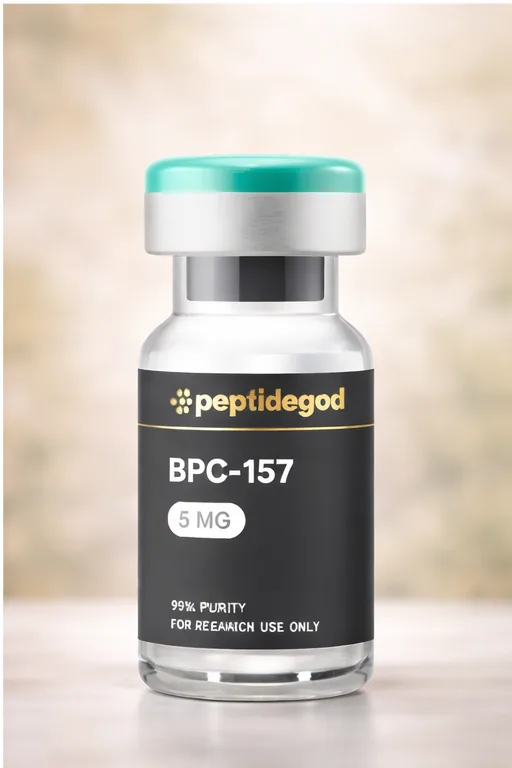
BPC 157 Peptide
Best Value(124)When you purchase BPC-157 Vials, you are trusting a company with your physical well-being, and we take that responsibility seriously. Every vial of our BPC-157 peptide is produced in a cGMP-compliant facility and undergoes rigorous HPLC (High-Performance Liquid Chromatography) te
- HPLC ≥99%
- 3rd-party tested
- Free shipping
$35.00Order - #4
 Peptidesbpc157
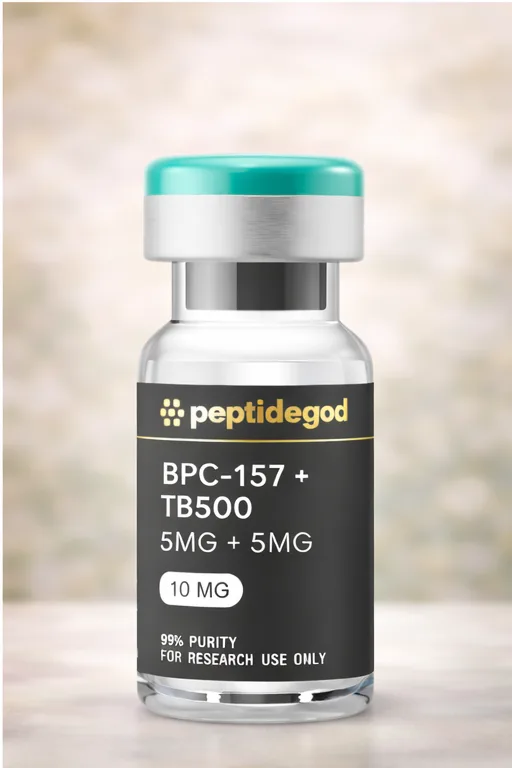
BPC-157 + TB500 5 MG + 5 MG (TOTAL 10 MG
Top Stack(161)Injury prevention is just as important as injury repair, and BPC-157 Vials are the ultimate insurance policy for your joints. Regular use of BPC-157 can help "bulletproof" your body by constantly reinforcing the connective tissues and soothing the minor inflammations that occur d
- HPLC ≥99%
- 3rd-party tested
- Free shipping
$60.00Order - #5
 Peptidesbpc157
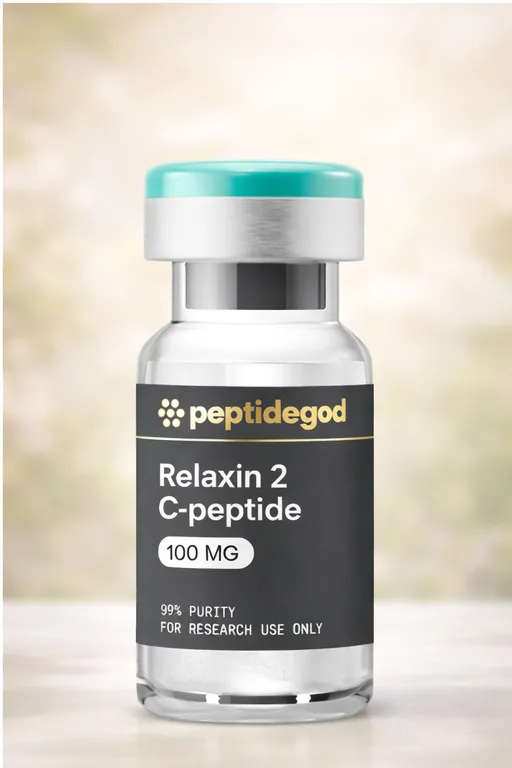
Relaxin 2 C-peptide (56-129) (Human)
Editor’s Pick(198)Our Human Relaxin 2 C-peptide (56-129) is produced using a specialized lyophilization cycle that preserves the secondary and tertiary structures of the peptide chain. This process is essential for maintaining the biological activity of the 74-amino acid sequence. The result is a
- HPLC ≥99%
- 3rd-party tested
- Free shipping
$428.00Order - #6Peptidesbpc157
Relaxin 2 (Human)
New(235)Relaxin 2 (Human) is a fascinating molecule for researchers focused on endocrine control and fluid homeostasis. This peptide fragment is used to investigate how the body regulates blood volume, osmolality, and thirst mechanisms through the brain and kidneys. Our injectable-grade
- HPLC ≥99%
- 3rd-party tested
- Free shipping
$475.00Order - #7
 Peptidesbpc157
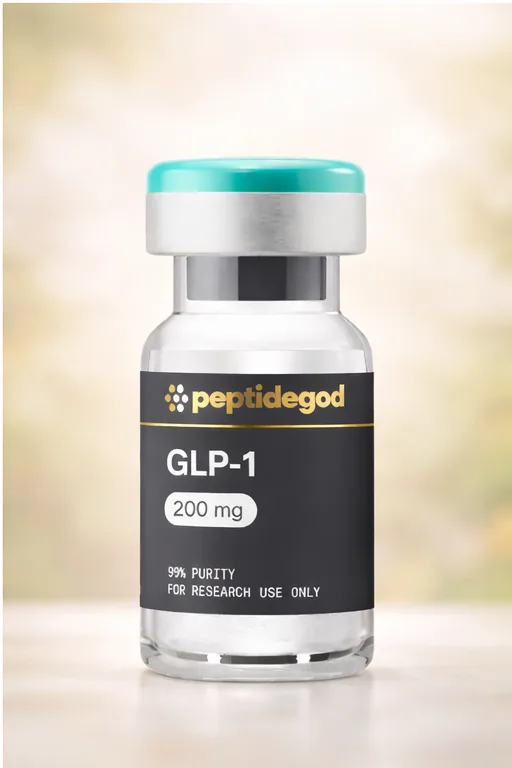
GLP-1 (Human, Rat, Mouse, Porcine, Bovine, Canine, Ovine)
Trending(52)GLP-1 is the primary ligand for the GLP-1 receptor (GLP-1R), a classic G-protein coupled receptor (GPCR). Our GLP-1 vials are essential for high-resolution mapping of receptor binding affinity and intracellular signaling cascades. This peptide triggers cAMP production, calcium si
- HPLC ≥99%
- 3rd-party tested
- Free shipping
$104.00Order
See top-rated vendors
Compare prices, purity and shipping at a glance.
Reviewed by the Peptidesbpc157 Research Team · Last updated February 2026
References & Scientific Sources
- Sikiric P, et al. BPC 157 and standard angiogenic growth factors. Curr Pharm Des. 2018.
- Seiwerth S, et al. BPC 157 and blood-vessel recruitment in healing. Curr Pharm Des. 2018.
- Sikiric P, et al. Stable gastric pentadecapeptide BPC 157 and the gut-brain axis. 2020.
Sources are provided for educational reference. This content is informational and not a substitute for professional medical advice.