Where to Buy Peptides
Where to Buy Peptides
Understanding the Peptide Research Market
The market for synthetic research peptides has grown considerably over the past decade, driven by interest from academic institutions, independent researchers, and wellness-focused individuals studying compounds in controlled settings. BPC-157, a synthetic 15-amino-acid peptide derived from a protective gastric protein, is among the most frequently sourced compounds due to its documented activity in animal models related to tissue repair and gastrointestinal health. Before purchasing any peptide, understanding how the supply chain works and what separates a legitimate supplier from a low-quality one is essential for conducting meaningful research.
Types of Peptide Suppliers
Peptide suppliers generally fall into three categories: domestic research chemical companies, international manufacturers, and compounding pharmacies. Each carries distinct trade-offs in terms of price, shipping time, and regulatory standing.
Domestic Research Chemical Companies
Companies based in the United States, Canada, or Western Europe typically offer shorter delivery windows, English-language customer support, and easier dispute resolution if a product arrives damaged or out of specification. They are also subject to stricter oversight in their home markets, which often correlates with more consistent quality control practices. Products are sold explicitly labeled for research use only and are not approved for human administration.
International Manufacturers
Many raw peptide manufacturers operate out of China and other parts of Asia. Prices can be significantly lower, but buyers take on additional risk: shipping delays, customs holds, and reduced transparency around manufacturing practices are common concerns. Researchers purchasing from international sources should always request third-party certificates of analysis before placing substantial orders.
Compounding Pharmacies
For researchers or clinicians working within a medical context, compounding pharmacies represent a separate channel. These facilities prepare prescription compounds under the supervision of a licensed pharmacist, and in some jurisdictions specific peptides may be accessible through this route with a valid prescription from a licensed provider.
What to Look For in a Quality Supplier
Not all peptide vendors operate at the same standard, and the difference between a reliable source and a poor one directly affects the validity of any research performed. When evaluating where to buy peptides, apply the following criteria consistently:
- Third-party testing: Reputable suppliers provide independent certificates of analysis from accredited laboratories, confirming peptide purity and molecular identity.
- Purity benchmarks: Research-grade peptides should achieve at least 98% purity, verified by HPLC chromatography data included with each batch.
- Manufacturing transparency: Look for suppliers who disclose their synthesis methods or source from GMP-compliant facilities.
- Clear product labeling: All items should be marked for research use only and include storage requirements such as recommended temperature and shelf-life information.
- Responsive support: Knowledgeable customer service indicates an operation run by people who understand what they are selling and stand behind it.
Evaluating Peptides BPC 157 Specifically
Among researchers sourcing peptides, BPC 157 represents one of the most requested compounds, which also means the market is populated with lower-quality imitations. Because BPC-157 is a precisely ordered 15-amino-acid chain, even minor errors during synthesis—a wrong amino acid insertion, an incomplete chain, or contamination during lyophilization—can compromise the compound entirely. When evaluating suppliers for peptides BPC 157, request a mass spectrometry report in addition to standard HPLC purity data. Mass spec confirms that the molecular weight of the compound matches the expected value for authentic BPC-157 (approximately 1419.53 g/mol), providing a second layer of verification beyond purity percentage alone.
Storage and Handling After Purchase
Peptides are sensitive compounds that degrade rapidly if mishandled. Most lyophilized, or freeze-dried, peptides should be stored at -20°C prior to reconstitution and kept away from direct light. Once reconstituted with bacteriostatic water, the resulting solution typically remains stable for two to four weeks when refrigerated at 4°C. Researchers should avoid repeated freeze-thaw cycles, which accelerate molecular degradation. Proper post-purchase storage is as important as sourcing from a quality supplier—even high-purity peptides will lose integrity quickly if temperature protocols are not followed.
Legal Considerations When Buying Peptides
The legal status of synthetic peptides varies by country and by intended use. In the United States, peptides sold for research purposes occupy a specific regulatory space: they are not approved drugs, but they are generally not prohibited for laboratory research either. Some peptides have been flagged by sports regulatory bodies or reviewed by agencies for unapproved applications. Buyers should research the regulatory status of any compound within their jurisdiction before placing an order and ensure their intended use aligns with applicable rules. Purchasing and storing peptides for legitimate research is permissible in most markets, but administering them to humans outside a clinical or formally approved research framework carries separate legal and ethical implications that researchers must evaluate independently.
Recommended products
- #1
 30 capsules.webp) Peptidesbpc157
Peptidesbpc157BPC-157 Capsules (500mcg)
Best Seller(50)Beyond its famous tissue-repairing capabilities, BPC-157 Capsules offer intriguing benefits for neurological health and cognitive resilience. Research suggests that this peptide exerts neuroprotective effects by modulating the GABAergic and dopaminergic systems, which can help in
- HPLC ≥99%
- 3rd-party tested
- Free shipping
$70.00Order - #2
 60 capsules.webp) Peptidesbpc157
Peptidesbpc157BPC-157 Capsules (500mcg)
Most Popular(87)Emerging research into BPC-157 Capsules has revealed their potential to support the integrity of the blood-brain barrier (BBB). The BBB is the body’s most important filter, protecting the brain from toxins and inflammation. BPC-157 has been shown to help "seal" a compromised barr
- HPLC ≥99%
- 3rd-party tested
- Free shipping
$130.00Order - #3
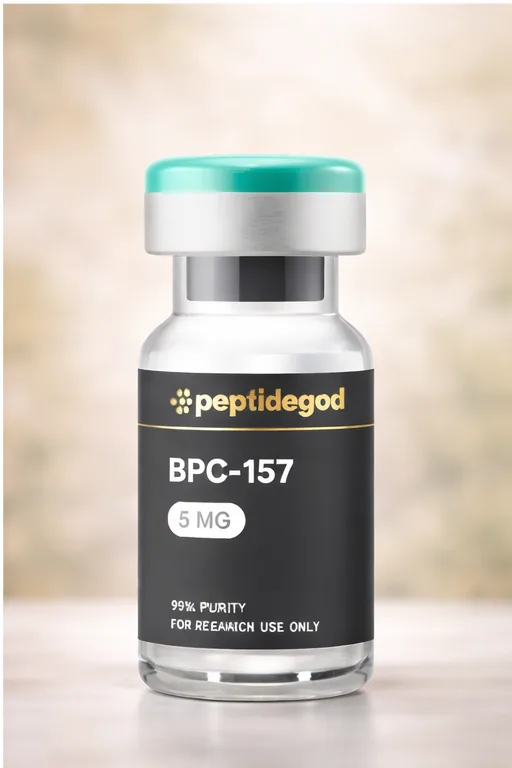 Peptidesbpc157
BPC 157 Peptide
Best Value(124)When you purchase BPC-157 Vials, you are trusting a company with your physical well-being, and we take that responsibility seriously. Every vial of our BPC-157 peptide is produced in a cGMP-compliant facility and undergoes rigorous HPLC (High-Performance Liquid Chromatography) te
- HPLC ≥99%
- 3rd-party tested
- Free shipping
$35.00Order - #4
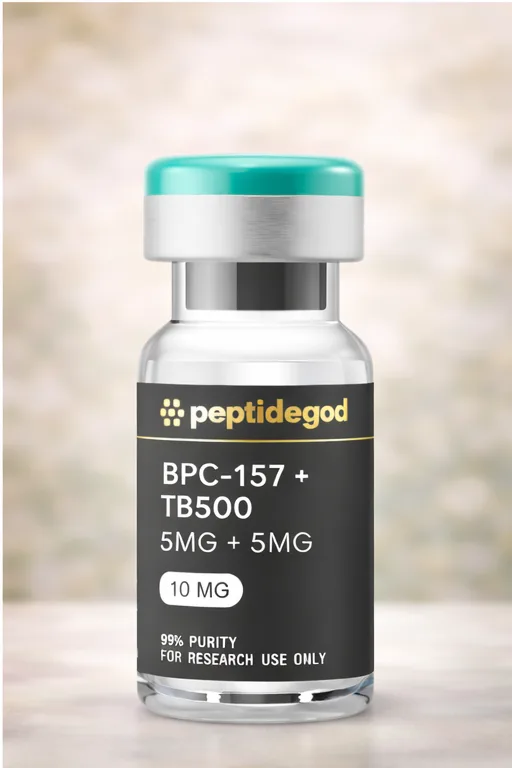 Peptidesbpc157
BPC-157 + TB500 5 MG + 5 MG (TOTAL 10 MG
Top Stack(161)Injury prevention is just as important as injury repair, and BPC-157 Vials are the ultimate insurance policy for your joints. Regular use of BPC-157 can help "bulletproof" your body by constantly reinforcing the connective tissues and soothing the minor inflammations that occur d
- HPLC ≥99%
- 3rd-party tested
- Free shipping
$60.00Order - #5
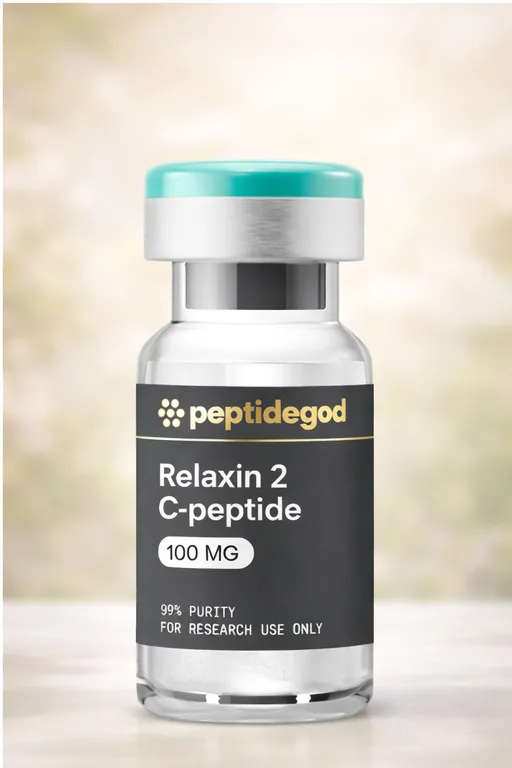 Peptidesbpc157
Relaxin 2 C-peptide (56-129) (Human)
Editor’s Pick(198)Our Human Relaxin 2 C-peptide (56-129) is produced using a specialized lyophilization cycle that preserves the secondary and tertiary structures of the peptide chain. This process is essential for maintaining the biological activity of the 74-amino acid sequence. The result is a
- HPLC ≥99%
- 3rd-party tested
- Free shipping
$428.00Order - #6Peptidesbpc157
Relaxin 2 (Human)
New(235)Relaxin 2 (Human) is a fascinating molecule for researchers focused on endocrine control and fluid homeostasis. This peptide fragment is used to investigate how the body regulates blood volume, osmolality, and thirst mechanisms through the brain and kidneys. Our injectable-grade
- HPLC ≥99%
- 3rd-party tested
- Free shipping
$475.00Order - #7
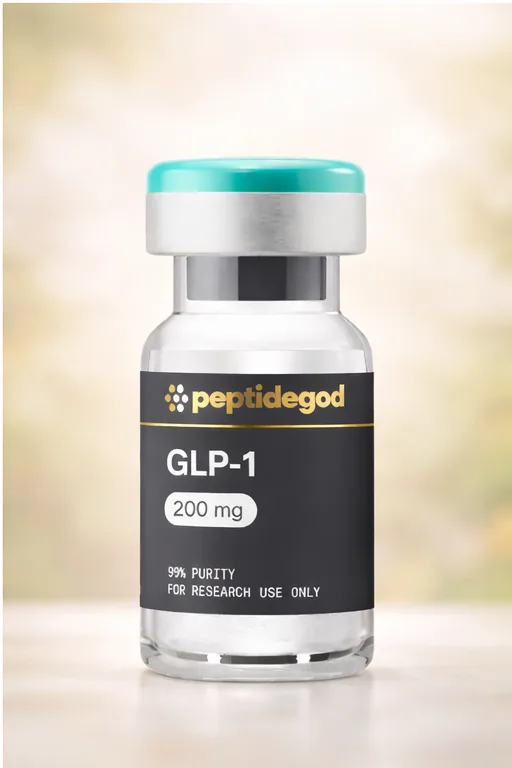 Peptidesbpc157
GLP-1 (Human, Rat, Mouse, Porcine, Bovine, Canine, Ovine)
Trending(52)GLP-1 is the primary ligand for the GLP-1 receptor (GLP-1R), a classic G-protein coupled receptor (GPCR). Our GLP-1 vials are essential for high-resolution mapping of receptor binding affinity and intracellular signaling cascades. This peptide triggers cAMP production, calcium si
- HPLC ≥99%
- 3rd-party tested
- Free shipping
$104.00Order
See top-rated vendors
Compare prices, purity and shipping at a glance.
Reviewed by the Peptidesbpc157 Research Team · Last updated February 2026
References & Scientific Sources
- Sikiric P, et al. BPC 157 and standard angiogenic growth factors. Curr Pharm Des. 2018.
- Seiwerth S, et al. BPC 157 and blood-vessel recruitment in healing. Curr Pharm Des. 2018.
- Sikiric P, et al. Stable gastric pentadecapeptide BPC 157 and the gut-brain axis. 2020.
Sources are provided for educational reference. This content is informational and not a substitute for professional medical advice.